High-precision manufactured systems adapted for resilient deployments in Kiribati and remote Pacific locations.
Understanding logistics, legislative dynamics, and consumer preferences in remote Micronesian territories.
The Republic of Kiribati, spanning across 33 low-lying atolls in the heart of the Pacific Ocean, represents a highly unique consumer market. Traditionally characterized by isolated supply routes and high energy import reliance, Kiribati’s retail sectors are undergoing a significant structural transition. Historically dependent on traditional combustion tobacco, local consumer demand is shifting toward modern electronic nicotine delivery systems (ENDS) as a method of tobacco harm reduction.
However, the geographical realities of Tarawa, Kiritimati, and outer islands impose strict operational guidelines for consumer electronic imports. For international distributors and retail syndicates targeting Kiribati, the choice of vape architecture is critical. Standard open-tank systems struggle with moisture intrusion, and fully disposable systems present severe municipal waste challenges on atolls with fragile ecologies.
This is why Pre-filled Pod Kits are emerging as the ideal technical compromise. By pairing a rechargeable, long-lasting battery unit with single-use, factory-sealed pre-filled pods, these systems minimize carbon footprints, prevent local environmental waste accumulation, and guarantee a leak-proof experience even in extreme humidity.
In Kiribati, land area is precious and waste management infrastructure is constrained. Disposable single-use vapes are facing strict regional scrutiny due to their non-recyclable lithium-ion batteries. Pre-filled pod kits solve this issue by utilizing permanent, USB-rechargeable vape mod bodies, meaning only the small plastic pod cartridge is replaced.
With ocean-shipping lead times ranging from 21 to 45 days, imported goods must have extended shelf-life capabilities. Sealed pre-filled pods prevent atmospheric exposure, maintaining flavor profile integrity and preventing nicotine oxidation during maritime transport.
A premier global manufacturing partner delivering certified e-vaping hardware and high-precision plastic components.
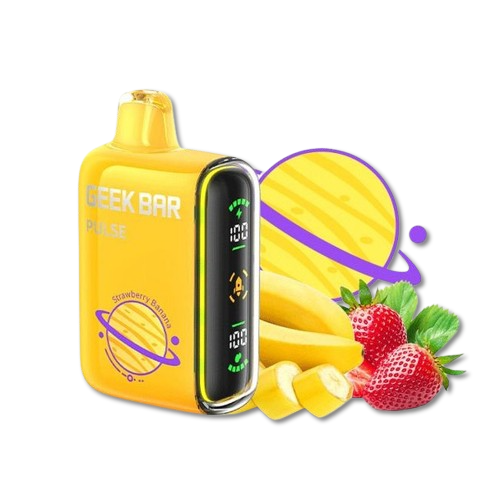
Established as a specialized industrial leader, Shenzhen Droned Vape Co., Ltd. centers its core competencies on the comprehensive research, development, assembly, and quality verification of premium ENDS hardware. Our manufacturing portfolio is structured to accommodate the evolving demands of global distributors, offering high-capacity Pod Systems, Vape Cartridges, Disposable Vapes, and OEM/ODM Vape Accessories.
Through robust technical engineering, we provide end-to-end customization services, tailoring e-liquid viscosity parameters, airflow channels, and exterior branding to withstand specific geographical demands, including the hot and high-salinity maritime climates of Oceania.
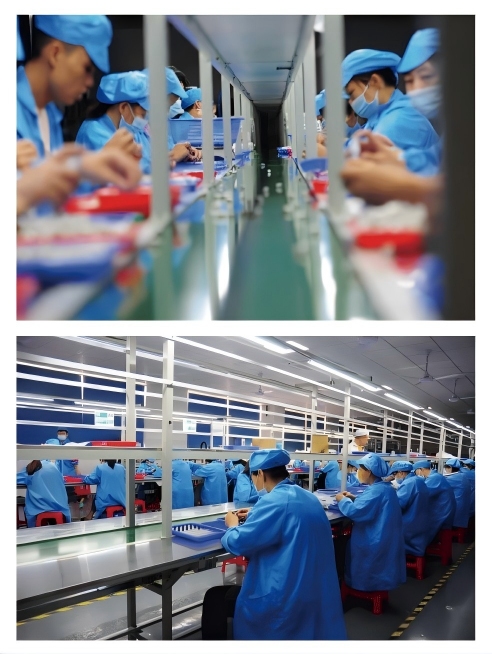
Our manufacturing center enforces strict internal controls under standardized management systems, operating high-efficiency dust-free cleanrooms that align with international health and safety mandates. The organization scales output via a dedicated workforce of over 540 specialized staff members, segmented as follows:
With years of manufacturing experience, our products are distributed to markets spanning the United States, Canada, Russia, Thailand, South Africa, Kenya, Bahrain, and the Middle East. We specialize in building secure, reliable procurement pipelines for countries like Kiribati that rely on resilient, imported consumer tech.
Essential mechanical materials engineered for heavy industry, mining logistics, and marine infrastructure developments.
Addressing environmental corrosion, internal pressure changes, and salt mist protection.
Engineering vaporizers for humid, salt-rich regions such as Tarawa, Betio, and Fanning Island requires advanced material science. High saline air accelerates galvanic corrosion on zinc alloys, copper contacts, and solder joints within standard vape circuits. This oxidation can cause resistive heating fluctuations, battery short-circuiting, and pod failures.
At Shenzhen Droned Vape Co., Ltd., our engineering teams utilize custom hardware configurations for units intended for Oceania:
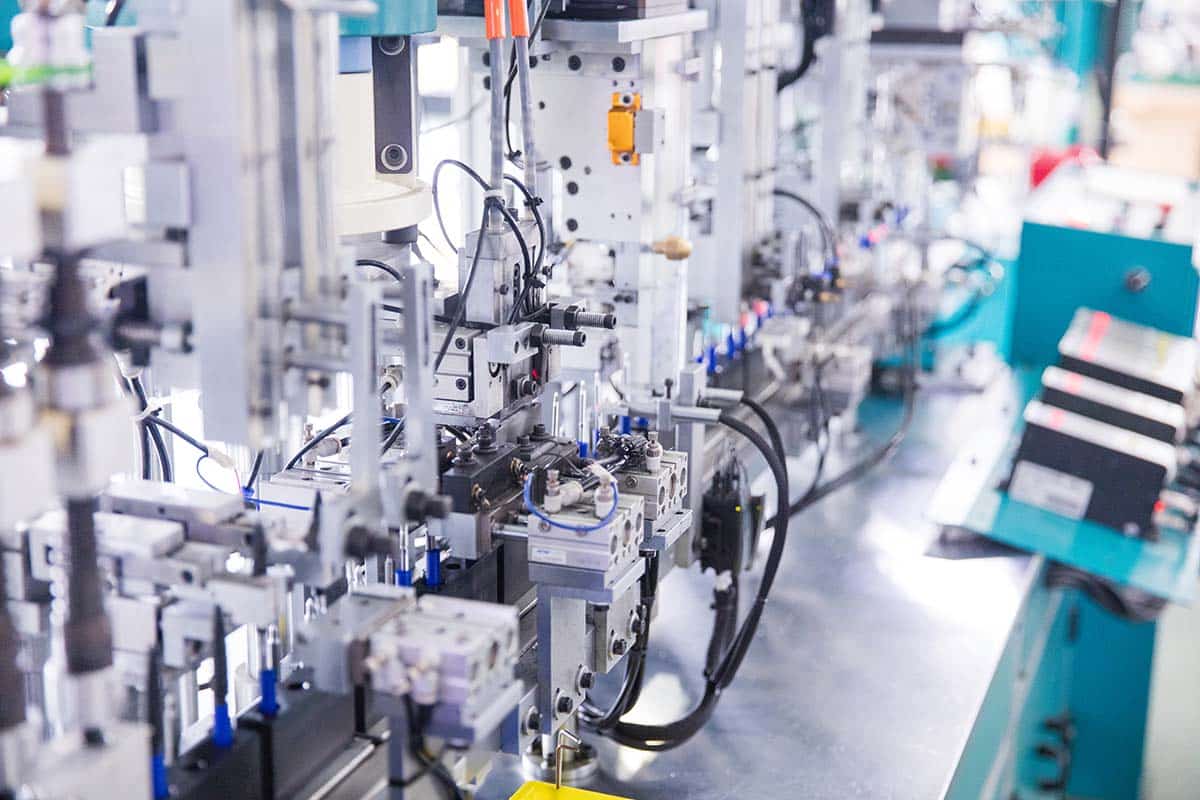
Deep engineering processes supported by German-built injection machinery and strict compliance monitoring.
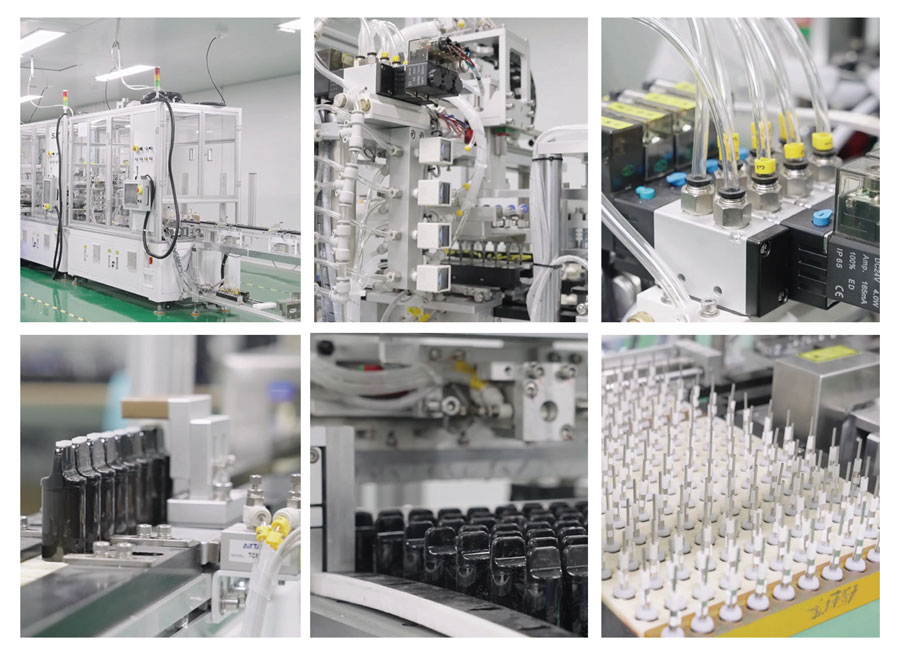
To ensure product reliability, Droned Vape operates an advanced assembly and injection molding facility. We minimize manual handling errors by utilizing automated robotics for liquid filling, coil optimization, and primary blister packaging.
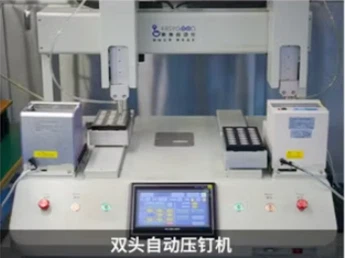
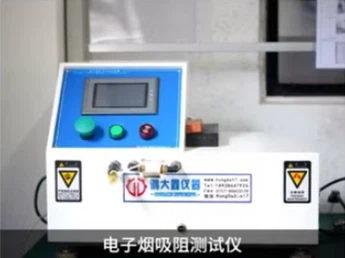
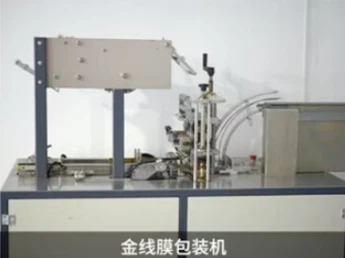
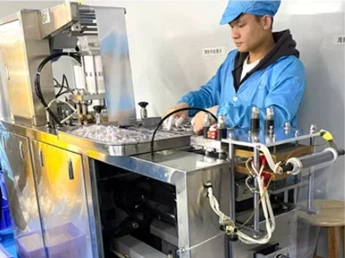
Our facilities utilize specialized equipment to support volume scalability and component precision:
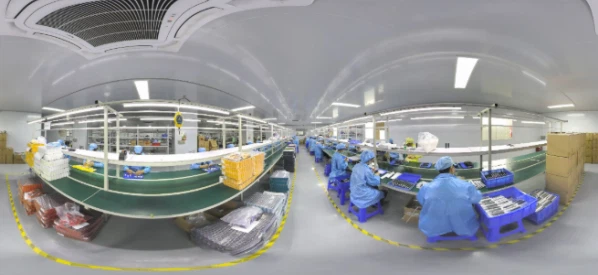
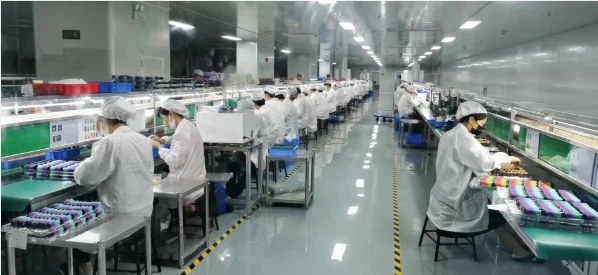
We support our trade partners through a structured service methodology:
Navigating transshipments, dangerous goods regulations, and customs protocols for the Pacific region.
Transporting electronic hardware and e-liquids containing nicotine to Kiribati requires careful compliance management. Because lithium-ion batteries are classified under Class 9 Dangerous Goods (UN3480/UN3481), they are subject to strict international aviation and maritime safety codes.
Our logistics department coordinates bulk shipments from Shenzhen ports (such as Nansha or Shekou) via regional transshipment hubs like Suva (Fiji) or Brisbane (Australia), prior to arrival at the Port of Betio in Tarawa.
Key supply chain protections include:
Primary Sea Route: Shenzhen (China) → Fiji (Transshipment Hub) → Tarawa Port / Betio (Kiribati).
Estimated Lead Time: 35–45 Days.
Documentation Provided: UN38.3 (Battery Safety), MSDS, CE, RoHS, Certificate of Origin, and detailed packing lists.
Expert technical and commercial answers regarding vape manufacturing and sourcing for Kiribati.
For fully customized OEM orders involving custom logo printing, packaging, and specific airflow optimization, our standard MOQ starts at 5,000 units per flavor profile/color scheme. For our standard white-label designs, we can accommodate orders starting at 1,000 units to assist regional distributors in testing the Kiribati market.
We source premium pure cobalt lithium-ion batteries that feature a slow self-discharge rate. Prior to shipping, the batteries are charged to approximately 30-40% capacity, which is the optimal level for storage stability. The cartons are sealed in hermetic, moisture-proof plastic linings with silica desiccant packets to prevent any humidity damage during ocean transport.
Yes. Our in-house chemical engineers formulate e-liquids to meet specific global requirements. We offer nicotine salt formulations ranging from 0% (nicotine-free) to 2%, 3%, or 5% strengths, ensuring compliance with local import regulations and preferences.
Our pods feature a multi-layered silicone seal system and a serpentine structure within the base of the chamber. This traps condensation and prevents pressure changes—common during marine transport—from causing liquid leaks.
Absolutely. We construct the pod tanks using food-grade, bisphenol A (BPA)-free PCTG material. The heating coils are made from medical-grade steel and organic cotton or premium ceramic, ensuring clean vapor extraction without risk of heavy metal exposure.
The manufacturing process takes between 15 to 25 days, depending on custom requirements. Ocean freight from Shenzhen to the Port of Betio in Tarawa typically takes 35 to 45 days, including customs transshipment at regional Pacific hubs.
Shenzhen Droned Vape Co., Ltd. operates under ISO 9001:2015 quality management systems. Our products carry CE, RoHS, FCC, and MSDS certifications, and all battery cells comply with the UN38.3 transport safety standard.
Yes, we offer plastic-free exterior boxes made from recyclable kraft paper and soy-based inks. This helps minimize local landfill waste, which is particularly important for island nations like Kiribati.
Additional commercial products, industrial safety barriers, and technical components available for regional export.
 Droned Vape