Why does vaping make me cough more than smoking? For some people, the answer is the way vapor meets sensitive airways. E-cigarette aerosol can contain propylene glycol, glycerin, flavorings, and nicotine. These substances may dry or irritate the throat, especially during repeated puffs. A warm, concentrated cloud can feel scratchy. Sometimes, one inhale is enough.
Pulmonologist Dr. Humberto Choi of Cleveland Clinic explains that vaping can irritate the lungs and trigger coughing. The response varies. A person who has smoked for years may notice less coughing from cigarettes, but that does not mean smoke is gentle or safe. Familiarity can change what someone notices; it cannot prove that the lungs are unharmed. That distinction is easy to miss.
Puff size, inhalation depth, device temperature, and individual sensitivity may all matter. So can a cold, asthma, allergies, or another respiratory condition. If you are asking “why does vaping make me cough more than smoking,” pay attention to when the cough starts and whether it continues after you stop. A brief throat tickle is different from persistent coughing, wheezing, chest pain, or shortness of breath. Those symptoms deserve medical attention. Don’t just guess.
There is no single explanation for everyone, and evidence about individual reactions is still developing. It is also possible to mistake irritation for a harmless adjustment. That may be the part worth questioning. A clinician can help assess ongoing symptoms, particularly if they are worsening or disrupting sleep. I can’t diagnose the cause from a headline alone.
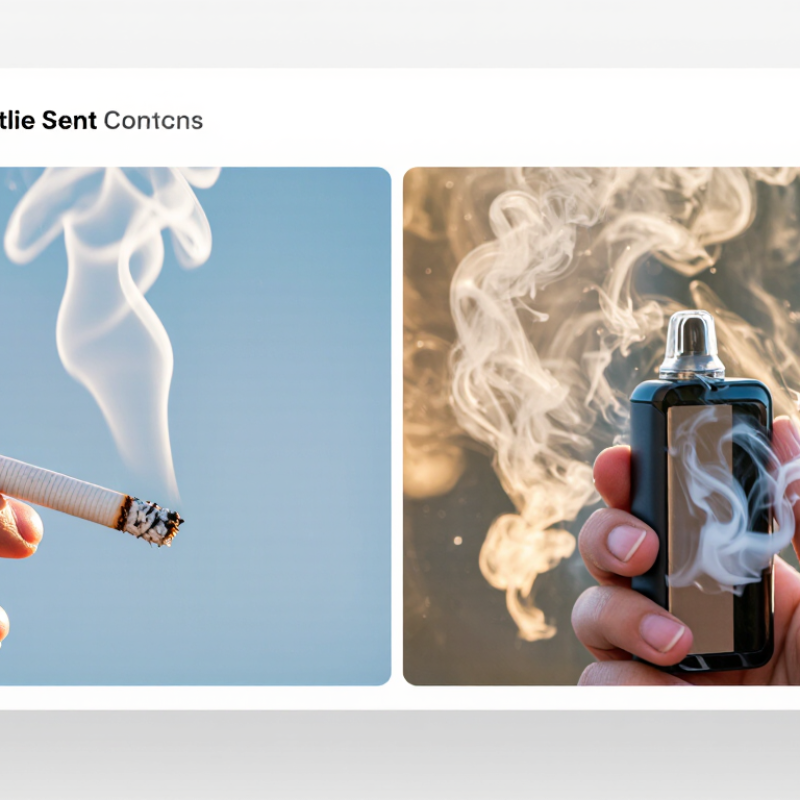
Why Does Vaping Make Me Cough More Than Smoking?
How Vaping Aerosol Differs From Cigarette Smoke
Cigarette smoke comes from burning tobacco. Vape aerosol forms when a liquid is heated into tiny droplets. They are not the same exposure. The CDC reports that cigarette smoke contains over 7,000 chemicals, including at least 69 known cancer-causing chemicals. The National Academies’ 2018 report found that e-cigarette aerosol can contain nicotine, volatile organic compounds, ultrafine particles, and metals. It is not simply water vapor.
Those differences may help explain a scratchy throat or sudden cough. Aerosol droplets and ingredients such as propylene glycol can irritate sensitive airways; nicotine and inhalation style may also matter. But reactions vary. A cough alone cannot identify the cause, and the National Academies report does not say everyone will cough. This comparison has limits: devices, liquids, and individual sensitivities differ. Not a simple answer.
Tips: Try slower, gentler inhalations and pause if coughing starts. Avoid continuing through chest tightness or shortness of breath. If a cough persists or worsens, speak with a healthcare professional.
Vape aerosol is not just water vapor. It can carry propylene glycol, glycerin, flavoring chemicals, and tiny particles into the airways. Propylene glycol can feel drying or irritating in the throat, while heated ingredients may add a sharp sensation. Small droplets matter. A flavor that seems mild on the tongue can still bother sensitive airway tissue. Some flavoring chemicals, including cinnamaldehyde, have shown respiratory-cell toxicity in laboratory studies; that does not mean every user will react the same way.
The National Academies of Sciences, Engineering, and Medicine’s 2018 review found substantial evidence linking e-cigarette use with cough and wheezing in adults with asthma, and moderate evidence for these symptoms in adolescents. The review describes evidence levels, not a guarantee that vaping causes a cough in every person. How much aerosol reaches the lungs can also vary with puff length, device settings, and individual sensitivity. Smoking can irritate airways too, so vaping is not always the harsher experience; still, a dry throat, repeated throat-clearing, or a sudden cough after a puff may signal irritation. I would not dismiss that as “just a flavor.”
Vape aerosol can contain substances that irritate or dry the airways. This chart identifies potential irritant groups; it does not compare their amounts or prove that vaping causes more coughing than smoking.
How to read this: Each bar marks a group with recognized potential to irritate the airways, not its concentration or relative risk. Aerosol contents vary with the liquid and device. Cough can also have other causes.
Vaping can provoke more coughing than smoking for some people, even though smoke remains highly damaging. The aerosol is warm and contains droplets that can irritate sensitive throat and airway tissue. Propylene glycol may feel drying; nicotine, flavoring chemicals, or a forceful inhalation can also trigger the cough reflex. Some people describe a sharp tickle after a puff. Not everyone reacts the same way.
Smoking may seem less cough-provoking partly because repeated exposure can dull airway sensation. That does not mean the lungs are safer. Smoke and aerosol differ, and there is no single explanation for every person. The comparison is messy. Device heat, inhalation depth, asthma, recent illness, and existing irritation can all affect symptoms. Cough is protective, but it cannot reveal the extent of lung injury by itself. If coughing begins or worsens, stop vaping and see whether it settles. Seek medical advice for a persistent cough, wheezing, chest pain, or breathlessness.
Coughing up blood needs urgent care.
Why Does Vaping Make Me Cough More Than Smoking?
How Device Settings and Vaping Habits Affect Cough
A cough can feel harsher with vaping because aerosol hits the throat in a different way from cigarette smoke. Dryness and irritation may be stronger when you take long, repeated puffs or inhale deeply. It is not just the liquid. Device power, airflow, and puff duration also change how much aerosol reaches your airways. Higher power can make the aerosol hotter and more irritating. Too much airflow may encourage larger draws. Small adjustments matter.
The National Academies of Sciences, Engineering, and Medicine reviewed more than 800 studies for its 2018 report, Public Health Consequences of E-Cigarettes. It found that aerosol emissions vary with device characteristics and how a person uses a device; higher voltage can increase some harmful substances. That does not predict exactly who will cough, though. People differ, and cough can also signal asthma, infection, or another problem. Worth noticing. If coughing starts after changing settings, try using lower power and taking shorter, gentler puffs. Avoid chain puffing, and pause when your throat feels dry. These steps may reduce irritation, but they cannot make aerosol harmless. Persistent cough, wheezing, chest pain, or shortness of breath deserves medical advice. A cough is not a reliable measure of which product is safer.
A cough that starts or worsens after vaping can be a sign that the airways are irritated. Aerosol may dry or inflame sensitive throat and lung tissues, while deep or frequent inhalations can trigger coughing. Smoking also irritates the airways, but the sensations and ingredients differ, so one person’s reaction may not match another’s.
It can be unsettling. The timing can be messy, too: a cold, asthma, allergies, or another exposure may also be involved. A cough alone cannot identify the cause.
Pay attention to how long the cough lasts and what comes with it. If it persists for several weeks, keeps returning, disrupts sleep, or is getting worse, arrange a medical assessment rather than guessing.
Seek urgent care for trouble breathing, chest pain, coughing up blood, or rapidly worsening symptoms. Do not wait.
A clinician may ask when the cough began, what seems to trigger it, and whether you have wheezing, fever, or existing lung conditions. Notes on these details can help, even if they are incomplete.
If breathing feels seriously difficult, call emergency services. A persistent cough deserves attention, even when it seems mild.
Cigarette smoke comes from burning tobacco. Vape aerosol forms when liquid is heated into tiny droplets. It is not just water vapor.
Warm droplets, throat dryness, and ingredients such as propylene glycol may irritate sensitive airways. A sharp tickle can follow a puff. Reactions vary.
Not necessarily. A cough alone cannot show the extent of lung injury or identify its cause. It is worth paying attention.
Yes. Higher power can make aerosol hotter and may increase some harmful substances. Long, deep, repeated puffs may also irritate your throat.
Stop and pause. If you continue, shorter, gentler inhalations and lower power may reduce irritation. They cannot make aerosol harmless.
Yes. Asthma, a recent illness, or existing airway irritation may contribute. Device settings are only part of the picture.
Speak with a healthcare professional if coughing persists or worsens. Get advice for wheezing, chest pain, or shortness of breath. Coughing up blood needs urgent care.
No. Smoke and aerosol are different exposures, and coughing is not a reliable safety measure. The comparison is messy.
Vaping can cause more coughing than smoking because the aerosol affects the airways differently from cigarette smoke. Its fine particles and ingredients, such as flavorings and substances that help create vapor, may dry or irritate the throat and lungs. Some people are especially sensitive to these ingredients, and their airways may respond with a stronger cough. This helps explain why does vaping make me cough more than smoking, although individual reactions can vary.
The way a device is used may also matter. Frequent or deep inhalations, high heat, or a dry inhalation can make the aerosol feel harsher and trigger coughing. A cough that continues, worsens, or occurs with symptoms such as shortness of breath or chest pain should not be ignored. Consider stopping exposure and seeking medical advice, particularly if the cough persists or interferes with daily activities.
