Vaping has surged in popularity, but many users experience unexpected symptoms. A common concern is: "why does vaping make me cough more than smoking?" Dr. Emily Hart, a respiratory specialist, sheds light on this issue. She notes, “The aerosol from vaping can irritate the throat more than smoke does.”
When transitioning from smoking to vaping, users often report a stronger cough. The causes can vary. For one, e-liquids contain propylene glycol and vegetable glycerin. These ingredients can produce a thicker vapor, leading to throat irritation. Additionally, the temperature of the vapor can be higher than cigarette smoke, exacerbating the cough reflex.
The experience can feel frustrating. Many hope to use vaping as a healthier alternative, only to find themselves coughing more. Coughing is a natural protective mechanism, but it can also signal irritation. Recognizing these reactions is vital. Understanding the reason behind the cough can help users make informed decisions about their vaping habits.
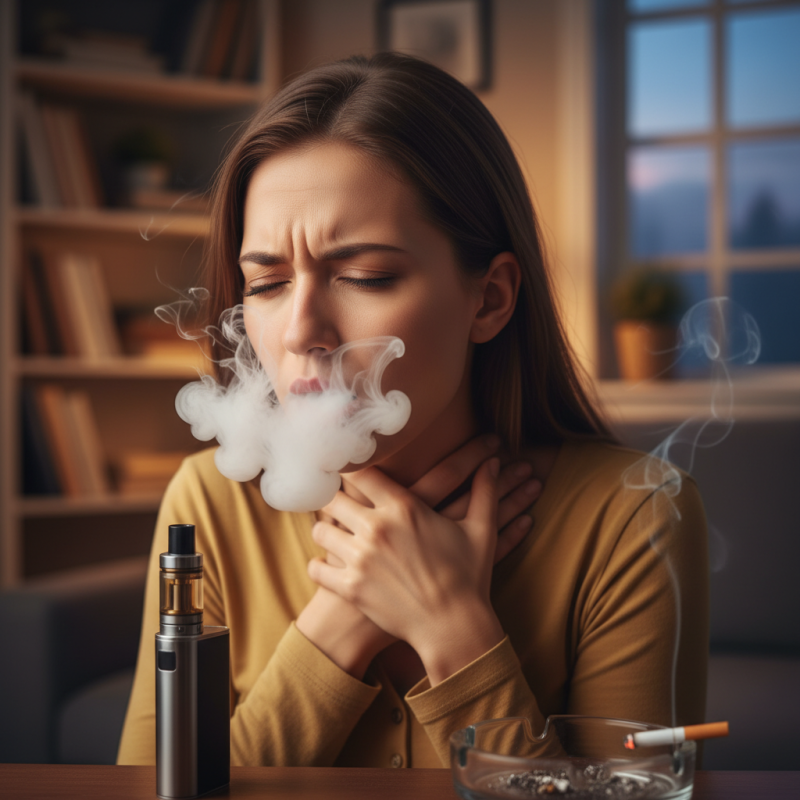
Understanding the Differences Between Vaping and Smoking
Vaping and smoking are often perceived as similar, but they differ significantly in their effects on the body. When you smoke, you inhale burning tobacco, which releases tar and numerous harmful chemicals. This process irritates the respiratory system. The combustion aspect raises the risks of developing chronic cough and lung diseases.
In contrast, vaping involves inhaling vaporized liquid without combustion. However, it still contains chemicals that can irritate the throat. Many users report increased coughing when they vape. This might be due to the propylene glycol or vegetable glycerin found in e-liquids. These substances can cause dryness and irritation in the airways, leading to a persistent cough.
The experience of coughing more with vaping can be confusing. While some may think it's a healthier alternative, the irritation from vaping can be substantial. Users should pay close attention to how their body reacts. It's crucial to consider these differences and reflect on personal health choices. Understanding the unique impacts of both methods can lead to more informed decisions.
Why Does Vaping Make Me Cough More Than Smoking? - Understanding the Differences Between Vaping and Smoking
| Aspect |
Vaping |
Smoking |
| Irritants |
Contains glycerin and propylene glycol |
Contains tar and numerous harmful chemicals |
| Temperature |
Cooler vapor |
Hot smoke |
| Nicotine Delivery |
Variable, can be adjusted |
Fixed amount in tobacco |
| Cough Reflex |
Can be more pronounced due to vapor |
Reduced, but still present |
| Chemical Exposure |
Fewer chemicals but still present |
Many harmful chemicals |
| Throat Sensation |
Often smoother |
Harsh and rough |
| Post-Use Symptoms |
Possible throat irritation |
Coughing and phlegm production |
How Vaping Affects the Respiratory System Compared to Smoking
Vaping impacts the respiratory system differently than traditional smoking. Many users report increased coughing with vaping. This reaction can be surprising, especially for those transitioning from cigarettes. The aerosol from e-cigarettes contains various substances that can irritate the throat. These irritants may not be present in the same concentration in tobacco smoke.
The lungs react to the propylene glycol and vegetable glycerin found in vape juice. These compounds can draw moisture from the airways. This drying effect can lead to coughing, especially for new users. Additionally, the temperature of vapor is often higher than that of smoke. This can cause irritation and discomfort, triggering a cough reflex.
It's essential to be aware that the experience of coughing can vary significantly among individuals. Factors like personal health, level of exposure, and even flavoring agents play a role. Some users may find that they cough more with certain flavors. This can lead to a cycle of irritation and discomfort, prompting a reconsideration of vaping habits. Understanding these effects is crucial for anyone exploring these alternatives.
The Role of Propylene Glycol and Vegetable Glycerin in Vaping Coughing
Vaping has become popular, but many users notice it can cause more coughing than traditional smoking. A key reason for this is the presence of
propylene glycol (PG) and
vegetable glycerin (VG) in e-liquids. Both these substances are common carriers for
flavors and nicotine, but they can affect the throat differently than tobacco smoke. PG draws moisture from the throat, leading to irritation and cough.
Most people might not be aware of how PG and VG impact their vaping experience. Propylene glycol, in particular, has a throat-hit that mimics
smoking but may also lead to a harsher sensation. Vegetable glycerin is thicker and can produce more vapor, but it can also cause more phlegm.
Users may need to adjust to the mixed reactions of their bodies.
Tips:
- Stay hydrated to combat dryness caused by PG. A little water can ease throat irritation.
- Experiment with different VG to PG ratios in e-liquids. Finding the right balance can potentially reduce coughing.
- Lastly, allow yourself to take breaks while vaping. It’s essential to listen to your body.
- Consider reducing nicotine levels if you're experiencing frequent coughing.
Identifying Irritants in E-Cigarettes That Trigger Coughing Fits
Vaping has become increasingly popular, yet many users experience more coughing than when smoking traditional cigarettes. This reaction may be primarily due to irritants present in e-cigarettes. Reports indicate that e-liquids contain various additives, including propylene glycol and vegetable glycerin, which can irritate the respiratory tract.
A study revealed that 80% of e-cigarette users reported coughing as a common side effect. This is connected to inhaling vaporized substances, which can be harsher on the throat than smoke. Additionally, the heating process of e-liquids can produce harmful by-products, such as aldehydes, which may also contribute to coughing fits. These findings highlight the need for consumers to be aware of what they inhale.
Tips for reducing coughing while vaping include:
- Taking shorter puffs and allowing time between draws.
- Staying hydrated, as it helps soothe the throat.
- Consider experimenting with lower nicotine levels, as higher concentrations may trigger more irritation.
- Be mindful of your body’s responses, as persistent coughing may indicate an adverse reaction to specific ingredients.
- Monitoring these responses can lead to a more comfortable vaping experience.
Exploring Individual Responses: Why Some People Cough More When Vaping
Many people experience more coughing when they vape compared to smoking. Individual responses to vaping vary widely. This can be due to several factors, including the composition of vape liquids and the method of inhalation. Some individuals have a heightened sensitivity to propylene glycol, a common ingredient in vape juices. This can trigger coughing and throat irritation.
It’s essential to understand that not everyone reacts the same way. Some might feel discomfort right away, while others may not notice any cough. The variation lies in personal health conditions, such as asthma or allergies. If you're coughing more, consider your vaping techniques or the devices you use. Switching to a lower nicotine concentration might help alleviate symptoms.
Tips: Take slow, controlled puffs. This can reduce irritation to your throat. Experiment with different vape liquids to find one that suits you better. If coughing persists, evaluate your overall health and consult a healthcare professional. Listen to your body—it knows best.
FAQS
: Vaping can cause more coughing due to propylene glycol and vegetable glycerin in e-liquids, which may irritate the throat.
Propylene glycol draws moisture from the throat, leading to irritation, which can result in coughing.
Vegetable glycerin is thicker and produces more vapor, but it may also increase phlegm and coughing for some users.
Stay hydrated, take shorter puffs, and experiment with different VG to PG ratios in e-liquids to find comfort.
Yes, higher nicotine levels might trigger more throat irritation, leading to increased coughing during vaping.
Pay attention to physical responses like coughing. If symptoms persist, consider taking breaks and adjusting e-liquid ingredients.
Yes, the heating process of e-liquids can create harmful substances, such as aldehydes, potentially aggravating coughing fits.
Yes, frequent coughing may signal an adverse reaction. Take breaks, reduce nicotine levels, and observe how your body responds.
Yes, drinking water helps soothe throat irritation caused by propylene glycol, making the vaping experience more enjoyable.
Monitor your body's reactions and consider eliminating certain flavors or nicotine levels to pinpoint irritants in your e-liquids.
Conclusion
The article "Why Does Vaping Make Me Cough More Than Smoking?" delves into the differences between vaping and smoking, particularly focusing on how vaping affects the respiratory system. It highlights the role of key ingredients, such as propylene glycol and vegetable glycerin, which are common in e-cigarettes and may contribute to increased coughing. The article also identifies various irritants found in e-cigarettes that can trigger coughing fits and discusses why individual responses to vaping vary, explaining that some people may cough more than others when using e-cigarettes. Through this exploration, readers can gain a deeper understanding of the underlying factors that contribute to why vaping makes some individuals cough more compared to traditional smoking.

 Droned Vape