Keeping vape juice fresh is not complicated, but careless storage can change its color, flavor, and nicotine strength. This guide explains how to store vape juice to keep it fresh through simple, practical habits. A cool cupboard often works better than a windowsill. Sunlight can warm the bottle and speed up oxidation. Heat matters.
Dr. Konstantinos Farsalinos, a physician and tobacco-harm-reduction researcher, offers a useful principle: “E-liquid should be protected from heat, light, and air to preserve its quality.” His advice matches everyday experience. A bottle left in a hot car may darken faster than one kept in a shaded cabinet. Tighten the cap after every use. This limits air exposure and helps prevent leaks. Keep bottles upright, especially glass containers with narrow caps. Store them away from children and pets, and follow the product label for safety guidance.
Refrigeration is sometimes discussed, but it is not always necessary. Cold storage may thicken vegetable glycerin and make the liquid harder to use. Sudden temperature changes can also create condensation inside the bottle. A stable, room-temperature location is usually more practical. Still, storage advice is not perfect for every formula. Flavor concentrates, nicotine strength, bottle material, and opening frequency can affect freshness. Check for unusual odors, separation, or an unexpected taste before use. When quality seems doubtful, replacing the bottle is the safer choice. Freshness cannot be judged by color alone.
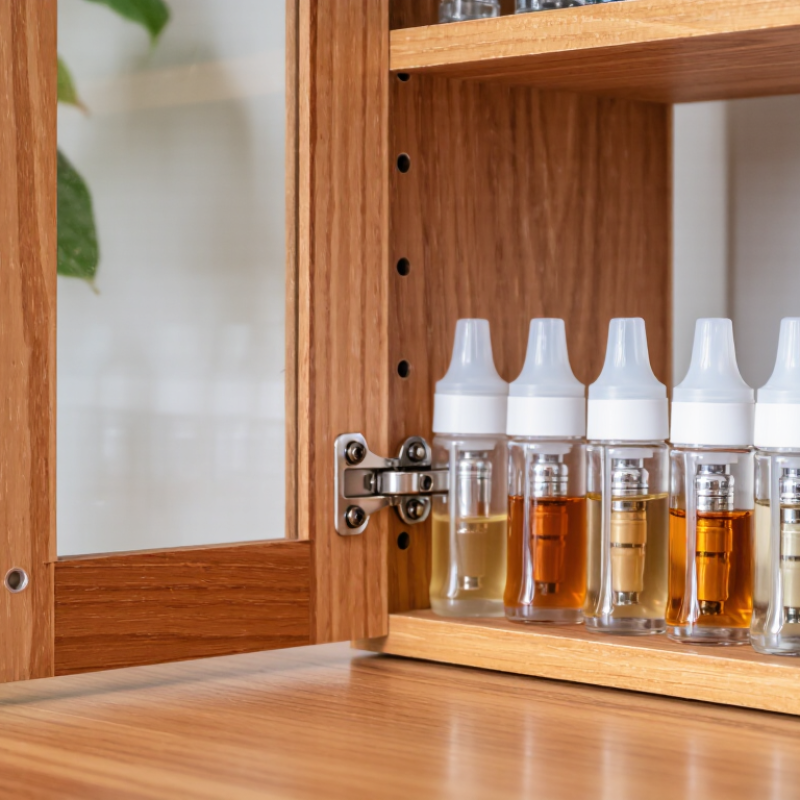
China Best Vape Juice Storage Tips: How to Keep It Fresh?
What Affects Vape Juice Freshness During Storage
Light, heat, oxygen, and moisture influence vape juice freshness. Nicotine can gradually oxidize, causing darker color and a sharper taste. Direct sunlight speeds this process, especially near windows or inside hot vehicles. The ICH Q1A(R2) stability guideline uses 25°C and 60% relative humidity for long-term testing. It also uses 40°C and 75% humidity for accelerated testing. These figures are pharmaceutical benchmarks, not guaranteed e-liquid shelf-life results. Real homes are less controlled than laboratories.
Packaging matters too. A tightly closed, light-resistant bottle limits oxygen exposure. Repeated opening introduces fresh air and may increase flavor changes. The U.S. FDA’s stability guidance expects manufacturers to support expiry claims with testing data. Therefore, consumers should check the printed expiry date and avoid damaged seals. A refrigerator may seem ideal, but condensation and temperature swings can create problems. My practical view is less perfect: a cool, dark drawer usually works better.
Tips: Store bottles below 25°C when possible. Keep them away from windows, radiators, and cars. Close the cap immediately after use. Do not mix old and new liquid in one bottle. Check for unusual darkening, separation, leaks, or an unpleasant smell. If storage conditions were poor, replacing the bottle is safer than guessing.
Store it below 25°C when possible. Use a cool, dry, dark cupboard. Keep it away from windows, radiators, and hot cars.
Sunlight can speed nicotine oxidation and flavor changes. A bottle on a windowsill may darken faster. Keep it in a closed drawer.
Not always. Condensation and repeated temperature changes can affect texture and packaging. A stable cupboard is usually more practical.
Keep every bottle upright on a stable shelf. Tighten the cap immediately after use. Wipe liquid from the bottle neck.
Store it away from food, children, and pets. If it contains nicotine, use a locked container. Safety needs consistency.
The original bottle usually provides better protection. Avoid unmarked containers because dates and contents can become unclear. Keep the label visible.
Check for an unusual smell, sharp color change, separation, particles, or repeated leaks. A mild color change may happen over time. A strange odor deserves caution.
Write the opening date on each label. Do not mix old and new liquid. Review the storage cupboard monthly; my own schedule was too optimistic.
Keeping vape juice fresh depends on how well it is protected from heat, light, air, moisture, and contamination. The best approach is to place it in a clean, tightly sealed, food-safe container and store it in a cool, dark, and dry location with a stable temperature. Avoid direct sunlight, hot vehicles, radiators, and areas with frequent temperature changes. Keep bottles upright and close the cap firmly after every use to reduce air exposure and prevent leaks.
If you want to know how to store vape juice to keep it fresh, focus on minimizing oxidation and moisture contact. Before use, check the liquid’s color, smell, texture, and overall appearance. A slight change may occur over time, but an unusual odor, separated ingredients that do not mix after gentle shaking, visible particles, or a damaged container can indicate that the product should not be used. Store it securely away from children, pets, food, and beverages, and always follow the storage guidance provided on the packaging.

 Droned Vape