Traveling with vapes on a plane in 2026 poses unique challenges and requirements. As new regulations emerge, it's crucial for travelers to stay informed. Mark Sirkin, a recognized expert in travel safety and regulations, emphasizes, "Understanding the legalities around vaping on flights can greatly enhance your travel experience." This highlights the importance of knowing how to travel with vapes on a plane in 2026.
Many travelers are left wondering about the rules surrounding vaping devices in airports and on flights. Each airline may have specific regulations, and it can be confusing. Packing your vape correctly, knowing how to store your e-liquids, and understanding carry-on regulations are vital elements. Ignorance of these details could lead to delays or confiscations at security checkpoints.
In addition to following regulations, the type of vape you use and its components matter. Some devices may not be allowed if they exceed certain battery specifications. Travelers should also reflect on their vaping habits. Taking time to familiarize yourself with policies can prevent embarrassing moments at the airport. Overall, being aware of how to travel with vapes on a plane in 2026 empowers travelers to enjoy their journeys fully.
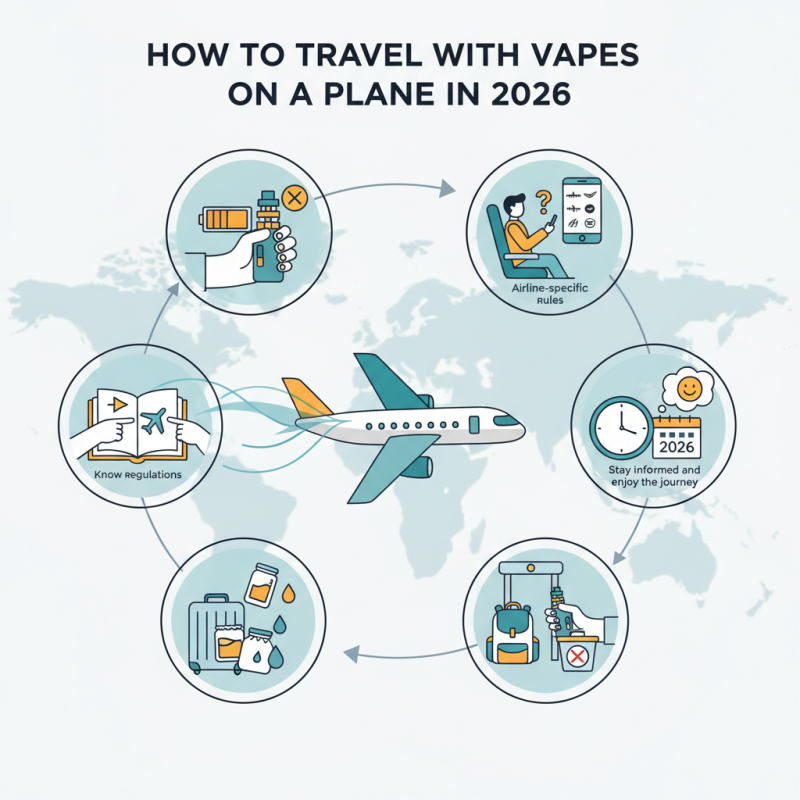
Traveling with vapes on a plane in 2026 requires careful attention to TSA regulations. The Transportation Security Administration (TSA) mandates that vapes must be packed in carry-on luggage. Placing them in checked bags is prohibited due to fire risks. Data from the National Fire Protection Association highlights that lithium batteries in vapes can ignite in improper conditions. Hence, travelers must prioritize safety.
When it comes to liquids, if a vape uses e-liquid, each container must adhere to the 3.4-ounce limit. Additionally, liquids must be stored in a quart-sized bag. Ignoring these rules can lead to confiscation and delays at security checkpoints. Reports from the TSA indicate that over 180,000 items were removed in the past year for non-compliance.
Airlines might have their own guidelines, making it crucial to check policies before traveling. Some may restrict vape usage entirely on flights. This added complexity means travelers should stay informed. Striking a balance between enjoyment and compliance is essential for a hassle-free journey.
When planning to travel with vapes in 2026, understanding airline policies is crucial. Most airlines categorize vape devices similarly to electronic cigarettes. Generally, you can bring them in your carry-on baggage, not checked luggage. However, policies may vary by airline, so always check ahead.
Tips: Always store your vape in a protective case. This prevents accidental activation during transit. Ensure your e-liquids are properly sealed. Leaks can create a mess and raise concerns at security checks. Limit e-liquid to below 100ml per container, as per travel regulations.
If you find yourself unsure about specific rules, don’t hesitate to contact the airline directly. Some airlines may have unique restrictions or guidelines. Moreover, observe the behavior of fellow travelers. Seeing what others do can provide insights, yet you should focus on your own compliance. Understanding these nuances can ease travel stress and make your journey smooth.
Traveling with vapes on a plane requires careful consideration, particularly regarding battery safety. The International Air Transport Association (IATA) highlights that lithium-ion batteries, commonly used in vape devices, can pose fire risks. In 2021, the Federal Aviation Administration (FAA) reported over 200 incidents of smoke or fire related to lithium batteries on aircraft. This raises concerns for travelers.
Proper storage is crucial. Always keep vape devices in your carry-on luggage. Checked baggage can expose devices to conditions that may increase the risk of battery failure. Make sure to turn off your device before the flight. Some travelers recommend using a protective case to prevent accidental activation. Also, it is wise to carry a battery charger that meets airline regulations.
Battery capacity matters. The FAA stipulates limits on capacity for lithium-ion batteries. Devices over 300 watt-hours are prohibited. Smaller devices are generally safer, but vigilance is essential. As vapes become more powerful, awareness of the risks is key for all travelers. Following guidelines can help ensure safer trips, while also reflecting on potential oversights in personal preparation.
Traveling with vapes on a plane involves navigating complex country-specific regulations. Many nations have strict rules governing the import and use of vaping products. For instance, some countries completely ban vaping while others permit its use with restrictions on the quantity carried.
Before you travel, research your destination's vaping laws thoroughly. In places like Singapore, vaping is illegal, and possession can lead to hefty fines. In contrast, other countries may allow vapes but limit nicotine concentrations. It’s crucial to pack your vaping devices safely in your carry-on luggage, ensuring they meet airline regulations. However, consider that some airlines may have their own rules regarding vaping products.
Consulting reliable sources will enhance your understanding of these restrictions. Even though you may find it convenient to bring vaping products, erring on the side of caution is essential. Reflecting on your travel habits can also help. Are you prepared to adjust your preferences based on local laws? Traveling is often about compromise and respect for new cultures and regulations.
| Country | Allowed in Carry-On | Allowed in Checked Baggage | E-Liquid Restrictions | Legal Age for Vaping |
|---|---|---|---|---|
| United States | Yes | No | Max 100ml in total | 21+ |
| United Kingdom | Yes | No | Max 10ml per bottle | 18+ |
| Australia | Yes | Yes, but regulated | None specific | 18+ |
| Canada | Yes | No | Max 50ml per container | 19+ |
| Singapore | No | No | N/A | N/A |
| Japan | Yes | No | Max 10ml | 20+ |
Traveling with vapes on a plane can be tricky, especially in 2026. Proper packing and transportation are essential for a hassle-free journey. Begin by removing all components of the vape. Store the battery separately from the tank. This helps prevent any accidental activation during travel. Use a sturdy protective case to shield your device from damage. Soft padding can also minimize the risk of leaks.
Airlines have specific regulations regarding vaping devices. Always check these rules before packing. Many carriers require vapes to be in carry-on luggage. Never place them in checked baggage, as this could pose safety issues. When going through security, be prepared to remove them for inspection. Keep your vape accessories organized and easily accessible to streamline the process.
It's important to be mindful of your destination's vaping policies. Some areas have strict regulations about using vapes in public. Research local laws to avoid any misunderstandings. A lack of knowledge could lead to embarrassing situations. As travelers, we often rely on past experiences. However, staying updated on guidelines ensures a smooth trip.
: No, vapes must always be packed in carry-on luggage due to fire risks.
Each e-liquid container must not exceed 3.4 ounces and must fit in a quart-sized bag.
Ignoring TSA regulations can lead to confiscation and delays at security checkpoints.
Yes, each airline may have its own specific guidelines about vaping products and usage.
Keep your vape device in your carry-on bag. Always turn it off before the flight.
Lithium-ion batteries can pose fire risks; ensure they are within the FAA's capacity limits.
Yes, some countries have strict laws or bans on vaping. Research local laws before traveling.
Yes, using a protective case can prevent accidental activation during travel.
Know the laws of your destination. Be ready to adjust your habits and pack accordingly.
Devices over 300 watt-hours are prohibited. Always check battery capacity before traveling.
In 2026, understanding how to travel with vapes on a plane involves navigating both TSA regulations and airline policies regarding vape devices and e-liquids. Travelers need to be aware of specific guidelines set by the TSA, including the permissible size and quantity of vape liquids in carry-on luggage. Furthermore, each airline may have its own rules, so it’s crucial to check these before flying.
Battery safety is another important consideration, as vape batteries must be stored correctly to avoid any fire hazards during travel. International flights may also present additional country-specific restrictions on vaping products, making it essential for travelers to research the laws of their destination. To ensure a smooth journey, adhering to best practices for packing and safely transporting vapes will help avoid complications at security checkpoints and provide peace of mind while traveling.
