How to reduce throat hit in pod systems is a practical question for many adult users who experience a sharp, dry, or scratchy sensation. That feeling can appear after only a few puffs. It may come from high nicotine strength, a propylene glycol-heavy e-liquid, excessive power, or a dry pod. Sometimes, the real problem is simply inhaling too forcefully.
Dr. Konstantinos Farsalinos, a cardiologist and tobacco-harm-reduction researcher, has explained, “The throat hit is mainly influenced by nicotine concentration and propylene glycol.” This observation gives the topic a useful starting point. However, reducing throat hit is not about changing one setting blindly. It requires small, careful adjustments. Lowering nicotine may help, but it can also leave some users unsatisfied. Increasing airflow can soften the sensation, though it may reduce flavor intensity. A higher-resistance pod may feel smoother, yet it can require a different liquid balance.
This guide will examine seven realistic ways to make pod use gentler. It will cover e-liquid ratios, nicotine strength, airflow, coil condition, puffing technique, temperature, and hydration. The results can differ between devices and people. That is the inconvenient part. Keep changes gradual, inspect the pod, and stop using it if irritation continues or worsens.
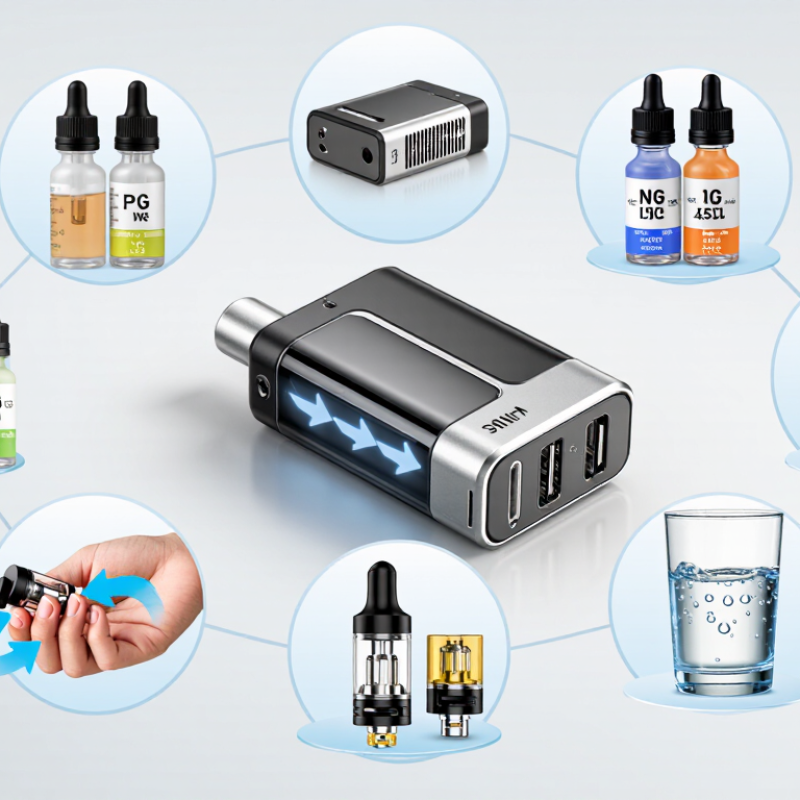
Throat hit in pod systems usually comes from irritation, not simply from “strong” vapor. Nicotine is a major factor, especially in higher-strength liquids. Propylene glycol can also create a sharper, drier sensation than vegetable glycerin. The 2018 U.S. National Academies report reviewed more than 800 scientific studies and identified nicotine, propylene glycol, and certain flavor chemicals as possible sources of throat irritation. The feeling can resemble a warm scratch at the back of the throat.
Heat matters too. A tight airflow setting, long puff, or nearly dry pod can make vapor hotter and harsher. Try shorter draws, a more open airflow, and a fresh, properly saturated pod. Lowering nicotine strength may help, but changing too quickly can cause frequent puffing. That defeats the purpose. Drink water. Dryness is easy to mistake for excessive throat hit. The UK Office for Health Improvement and Disparities’ 2022 evidence review also noted that aerosol composition and user behavior strongly affect irritation, although individual responses vary.
Check the liquid ratio as well. Higher propylene glycol content often feels sharper, while more vegetable glycerin usually feels smoother but may produce thicker vapor. Avoid aggressive flavors if your throat reacts easily. Cooling agents can mask irritation without removing it. That is the tricky part. If pain, persistent coughing, wheezing, or chest discomfort continues, stop using the device and seek medical advice. Not every harsh sensation is a simple setting problem.
7 Tips to Reduce Throat Hit in Pod Systems
Choosing the right e-liquid strength can noticeably soften a harsh inhale. If your current nicotine level feels sharp, try a lower strength within legal product limits. Make changes gradually. Too much nicotine may cause dizziness, nausea, or a racing heartbeat. A smaller amount often feels easier on the throat, especially during frequent use.
Composition matters just as much. Propylene glycol, or PG, carries flavour well but can create a stronger throat sensation. Vegetable glycerin, or VG, feels denser and smoother, although very thick liquids may not suit every pod. A balanced ratio can be a practical middle ground. Nicotine salt formulations often feel smoother than traditional freebase nicotine at similar strengths, but product labels still deserve careful attention. Avoid heavily flavoured liquids if they sting. Cooling additives can feel refreshing, yet some may irritate sensitive airways.
Device settings also influence the result. Lower power usually produces a gentler vapour. Keep the pod properly filled, and replace it when the coil tastes burnt. Sip water before and after use. I have found that dry air can make a mild liquid feel surprisingly rough. Still, personal reactions vary, and this is where my earlier assumptions can fail. Stop using the liquid if irritation persists, and seek medical advice when coughing, chest discomfort, or breathing problems continue.
| Tip | Adjustment | Practical Guidance | Why It May Help | Important Considerations |
|---|---|---|---|---|
| 1 | Choose a lower nicotine concentration | Compare the current nicotine level with a lower option, such as moving from 20 mg/mL to 10 mg/mL, when this still satisfies your nicotine needs. | Higher nicotine concentrations can produce a stronger sensation in the throat, especially during frequent or deep inhalation. | Reduce gradually if withdrawal symptoms occur. Do not compensate by taking substantially more puffs. |
| 2 | Consider nicotine salt rather than freebase nicotine | Nicotine-salt liquids are often formulated with an acidic ingredient to lower pH. This can feel smoother than a freebase liquid at a similar nicotine concentration. | A lower-pH formulation generally reduces the alkaline sensation associated with freebase nicotine. | Nicotine salts can make higher nicotine levels feel smoother, so check the strength carefully and avoid assuming that a smoother vape is lower in nicotine. |
| 3 | Use a higher VG-to-PG ratio when compatible | Try a liquid with more vegetable glycerin, such as 60/40 VG/PG instead of 50/50, if the pod manufacturer permits it. | Propylene glycol commonly provides more throat sensation, while vegetable glycerin is generally smoother and produces denser aerosol. | High-VG liquids are thicker and may wick poorly in small pods, causing dry hits or reduced performance. Follow the device instructions. |
| 4 | Avoid strong cooling or “ice” additives | Select an unflavoured or non-cooling profile if menthol-like cooling, mint, or intense “ice” effects feel harsh. | Cooling agents can create a pronounced sensory response that some users interpret as irritation or throat hit. | Cooling intensity varies by formulation. A cooling sensation may mask, rather than remove, the irritation caused by excessive nicotine or overheating. |
| 5 | Reduce heat and avoid dry hits | Use the lowest recommended power setting for the pod and replace the pod or coil when the taste becomes burnt, dry, or unusually harsh. | Overheating and insufficient liquid supply can produce irritating aerosol and a sharp, unpleasant throat sensation. | Do not use a pod below its minimum fill level. Allow a new pod to saturate according to its instructions before vaping. |
| 6 | Increase airflow where adjustable | Open the airflow slightly and take slower, gentler puffs rather than tight, forceful draws. | More airflow can dilute the aerosol and reduce the concentration of heated vapour reaching the throat in each puff. | Very restricted airflow and repeated rapid puffs can increase heat. Excessively open airflow may reduce flavour and cause liquid leakage on some pods. |
| 7 | Check the liquid and stop if irritation persists | Use a fresh, clearly labelled liquid from a reputable source and avoid liquids that produce persistent burning, coughing, chest discomfort, or allergic-type symptoms. | Harshness may result from degraded liquid, contamination, unsuitable ingredients, device overheating, or individual sensitivity—not only nicotine strength. | Stop using the product and seek medical advice for persistent or severe symptoms, breathing difficulty, chest pain, swelling, or signs of nicotine poisoning. |
| Safety note: E-cigarette aerosol is not harmless, and nicotine is addictive. Adults who do not use tobacco or nicotine should not start. People who are pregnant, underage, or medically vulnerable should avoid nicotine products and consult a qualified healthcare professional. | ||||
7 Tips to Reduce Throat Hit in Pod Systems
Throat hit often changes with airflow, power, liquid strength, and inhalation speed. The National Academies report that aerosol output and nicotine delivery vary with device settings and user behavior. That makes personal testing useful, but not perfectly predictable. Tip 1: Open the airflow slightly. A wider draw usually cools and dilutes the aerosol. Tip 2: Lower the power within the pod’s recommended range. High heat can create a sharper, drier sensation.
Tip 3: Take a slower, gentler inhale. Pulling hard can increase aerosol volume and irritation. Tip 4: Try a shorter puff, around two seconds. Long draws heat the coil and your throat. Tip 5: Keep the pod properly filled. A nearly dry wick may produce a harsh, burnt taste. Tip 6: Check the nicotine strength and formulation. Higher nicotine levels commonly feel stronger, while some people react to certain additives. The 2018 National Academies review emphasizes that formulation also affects emissions and user exposure.
Tip 7: Pause between puffs and drink water. A dry mouth can make mild irritation feel severe. I used to blame airflow alone, but power and puff length mattered more than expected. Avoid repeated adjustments at once; change one setting, then observe. If coughing, chest discomfort, or persistent throat pain occurs, stop using the device and consult a healthcare professional.
Lower values indicate a gentler inhalation experience. The index is a normalized comparison guide, not a clinical or laboratory measurement.
Start with a more open airflow setting, lower the power within the pod’s rated range, and use a slower mouth-to-lung inhale. Avoid burnt or dry hits, replace worn coils or pods, and reduce nicotine strength if irritation continues.
A comfortable pod begins with the liquid, not the screen settings. Propylene glycol carries flavor but often feels sharper in the throat. A higher vegetable glycerin ratio usually creates a softer draw, though it may wick slowly in small pods. Lower nicotine strength can also reduce the immediate sting. Do not change everything at once. Adjust one variable, then observe.
Coil choice matters. A fresh, moderate-resistance coil usually feels smoother than an overheated, worn coil. Use the lower end of its recommended power range. Keep airflow slightly open, but avoid an airy draw that feels harsh from excessive vapor. The 2018 National Academies report reviewed nearly 800 studies and noted that device settings can change aerosol emissions. CORESTA testing guidance also treats power, airflow, and puff duration as important variables.
Small details are easy to miss. Keep the pod adequately filled, and pause between puffs. A dry coil can produce a hot, scratchy sensation within seconds. I once blamed the liquid, but the real problem was a loose airflow setting and an aging coil. My advice is not perfect. Individual sensitivity varies, and smoother does not automatically mean safer. OHID’s 2024 evidence review likewise emphasizes differences in devices, liquids, and user behavior. If irritation continues, stop using the device and seek qualified medical advice.
A comfortable vape often begins with careful pod system maintenance. I used to blame throat hit on the e-liquid alone, but a dirty device caused similar irritation. Wipe the pod contacts with a dry cotton swab. Remove condensation from the mouthpiece and airflow openings. Small droplets can make each draw feel harsher.
Check the pod before every refill. Replace it when the taste becomes burnt, the vapor turns unusually warm, or the liquid looks discolored. Do not overfill it. Leave a small air gap, then let a new coil soak for several minutes before vaping. Keep the airflow path clear, and avoid covering it with your fingers. These simple habits support smoother airflow and more consistent vapor.
Store the device upright in a cool, dry place. Keep it away from direct sunlight and extreme heat. Charge it with suitable equipment, and stop using it if the battery, pod, or casing becomes damaged. I sometimes cleaned the mouthpiece but forgot the contact area, so my routine was not as complete as I thought. Use only liquid intended for the device, and adjust nicotine strength according to local requirements and personal tolerance. If throat discomfort continues after cleaning and replacing the pod, stop using the device and seek medical advice.
A lower nicotine strength may reduce sharpness, especially during frequent use. Change gradually. Too much nicotine can cause dizziness, nausea, or a racing heartbeat.
Higher vegetable glycerin content often feels softer. Propylene glycol carries flavour well but may feel sharper. Very thick liquid may wick poorly in small pods.
They often feel smoother than traditional nicotine at similar strengths. However, labels still require careful checking. Smoother does not mean safer.
Yes. Cooling additives may bother sensitive airways. Heavy flavours can sting. Try a simpler liquid if your throat feels scratched.
Lower power usually produces gentler vapour. Keep airflow slightly open. An overly airy draw may create excessive vapour and harshness.
An aging coil may taste burnt and feel hot within seconds. Replace it when the flavour changes. I once blamed the liquid incorrectly.
Keep the pod filled above the coil openings. Pause between puffs. Sip water before and after use. Dry air can make irritation worse.
No. Adjust one variable, then observe the result. Otherwise, the cause becomes difficult to identify. My advice may not fit everyone.
Stop if irritation continues. Seek qualified medical advice for ongoing coughing, chest discomfort, or breathing problems. Personal sensitivity varies considerably.
Reducing throat hit in a pod system starts with understanding its main causes, including high nicotine strength, certain nicotine types, strong flavor additives, restricted airflow, excessive power, and dry or overheated coils. To learn how to reduce throat hit in pod systems, begin by choosing a lower e-liquid strength when appropriate and considering a smoother formulation with a balanced ratio of ingredients. Take gentle, slower puffs rather than sharp, forceful inhales, and adjust the airflow to create a cooler, less concentrated vapor.
A comfortable setup also depends on the pod, coil, and device settings. Use a coil designed for moderate vapor production, avoid operating at a power level beyond its recommended range, and keep the pod properly filled to prevent dry hits. Regularly clean the mouthpiece, check for worn components, and replace the pod or coil when the flavor becomes harsh or vapor production changes. Small adjustments to liquid, technique, airflow, and maintenance can make the overall experience noticeably smoother.
