Why Is My Small Pod Kit Not Producing Enough Vapor?

Time:2026-07-05 Author:Aria
0%

When users encounter low vapor production from their small pod kits, frustration sets in. According to a 2023 report from the vaping industry, nearly 70% of users express dissatisfaction with their vapor output. This raises an important question: how to get more vapor out of a small pod kit?

Industry expert Dr. Sarah Mitchell states, "The right balance of coil resistance and e-liquid viscosity is key." Users often overlook the significance of these factors. Adjusting wattage settings or switching to a higher VG e-liquid can dramatically enhance vapor production.

However, a common mistake is assuming that more power equals more vapor. Many simply need to refine their techniques rather than increase settings. Identifying the root cause of low vapor can lead to surprising results. Emphasizing quality over quantity may be the crucial step toward a more satisfying vaping experience.
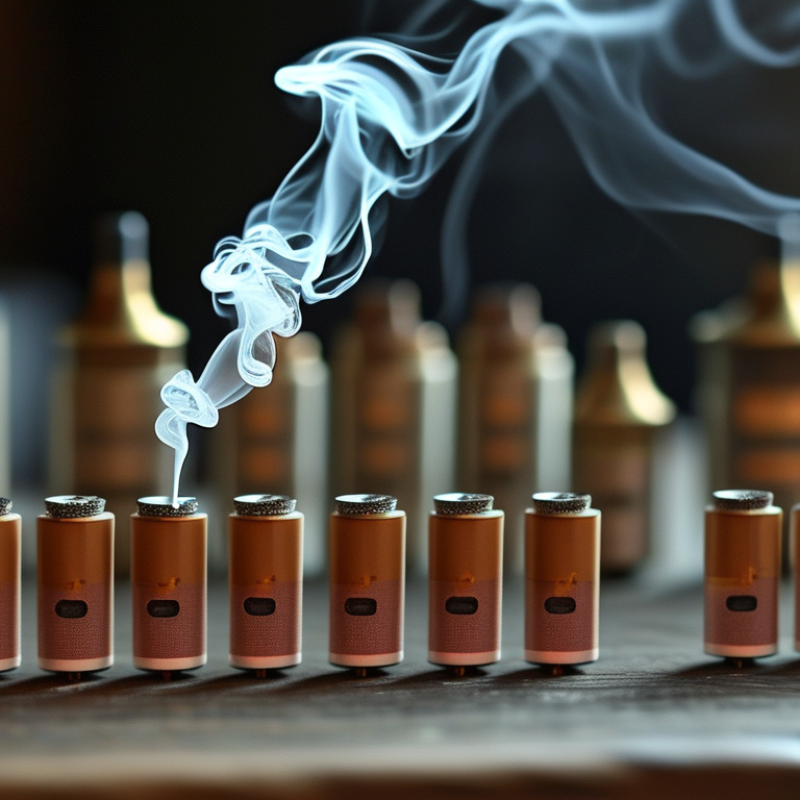
Why Is My Small Pod Kit Not Producing Enough Vapor?

Understand the Basics of Small Pod Kits and Vapor Production

Small pod kits have become increasingly popular due to their portability and simplicity. These devices are designed for convenience and ease of use. However, many users report issues with vapor production. Understanding the factors that influence this can enhance your vaping experience.

One crucial element is the coil resistance. Lower resistance coils tend to produce more vapor. According to a report from the Vapor Technology Association, devices with coils rated between 0.2 to 1.0 ohm generate significantly more vapor than those above 1.0 ohm. Vapor production also depends on the wattage settings of your device. If your device is underpowered, it won't deliver sufficient vapor. Many users overlook the importance of these settings.

Additionally, the e-liquid's VG/PG ratio impacts vapor output. Liquids high in vegetable glycerin (VG) tend to create thicker vapor. Research indicates that a 70/30 VG/PG ratio can enhance vapor production. However, these options can also lead to clogging and require regular cleaning. Users must regularly maintain their devices for optimal performance. This maintenance can feel like a chore, leading to frustrations when expected results aren't met. Small adjustments can make a significant difference in your vaping satisfaction.

Identify Common Factors Affecting Vapor Output in Pod Kits

Vapor output in small pod kits can fluctuate due to several common factors. Understanding these can help enhance your vaping experience. One primary factor affecting vapor production is coil resistance. For instance, coils with higher resistance typically produce less vapor. According to industry reports, lower resistance coils (below 1 ohm) deliver thicker vapor. However, they may drain your battery faster.

Another critical aspect is e-liquid viscosity. Thicker e-liquids might not wick as efficiently, which can limit vapor production. A study noted that e-liquids with higher VG content (over 70%) typically produce more vapor, but they require a compatible device. Flavorings added to e-liquids can also impact this; some may reduce vapor output.

Tip: If your pod kit isn’t performing well, consider switching to a different e-liquid with a lower VG ratio.

Device maintenance is essential too. Clogged coils can hinder airflow, resulting in less vapor. Regular cleaning of the pod and replacing coils as needed can prevent this issue.

Tip: Check your pod’s airflow settings; sometimes, adjusting these can significantly enhance vapor production.

Reflecting on these factors can lead to a more satisfying vaping experience. Small adjustments can make a notable difference in the vapor you produce.

Check and Replace E-Liquid for Optimal Viscosity and Flavor

E-liquid viscosity significantly affects vapor production. When choosing your e-liquid, consider the PG/VG ratio. Propylene glycol (PG) is thinner and enhances flavor, while vegetable glycerin (VG) is thicker and produces more vapor. A common ratio is 70% VG to 30% PG for optimal vapor. Other ratios may hinder performance in small pod kits due to their limited heating power.

If your pod kit is underperforming, check the e-liquid viscosity first. Thick liquids can clog coils, leading to reduced vapor. A study showed that higher VG levels can result in decreased coil efficiency. Consider using e-liquids with lower VG for better results. Some users find a 50/50 blend perfect for producing satisfying vapor without gunking up the device.

Maintaining your device is crucial. Clean coils to prevent buildup. Look for signs of residue or burnt flavor. Sometimes, old e-liquids degrade and lose their effectiveness. Ensure your flavor profiles are fresh and vibrant. Regularly check and replace your e-liquid to maintain optimal performance. Vaping should be an enjoyable experience, not frustrating.

Examine the Device Settings and Power Levels for Efficiency

When dealing with a small pod kit that isn't producing enough vapor, examining device settings and power levels is crucial. Many users overlook these settings, which significantly affect vapor production. Studies show that lower wattage settings lead to less vapor. For instance, devices operating below 10 watts typically generate minimal vapor output. Adjusting power levels to the device's optimal range can enhance performance.

Moreover, the resistance of the pod plays a vital role. Pods with higher resistance require more power for effective vapor production. If a device is set to a lower wattage than recommended, the result can be disappointing. Users often fail to realize that their device may need higher settings for optimal vapor clouds. The relationship between wattage and vapor density is well-documented. Reports suggest that a sweet spot of 15-20 watts can yield significantly more vapor.

Additionally, airflow settings can impact vapor quality. Insufficient airflow can lead to a restricted draw, resulting in a dry hit and minimal vapor. Experimenting with different airflow settings may unlock better vapor production. However, changes should be made cautiously. Many vapers find the balance between airflow and power is subjective and requires trial and error. Adjusting these parameters is not always straightforward, but it is essential for an enjoyable experience.

Maintain and Clean Your Pod Kit for Consistent Performance

Maintaining and cleaning your pod kit is essential for optimal vapor production. Over time, residue can build up. This residue affects airflow and reduces vapor quality. Regular cleaning ensures the device performs at its best.


To clean your pod kit, start by removing the pod. Rinse it with warm water. Avoid soap and harsh chemicals. Let it dry completely before reassembling. Wipe down the kit with a soft cloth. A good routine can help prevent clogging.


Reflect on your usage habits. Are you frequently replacing your coils? If not, it might be time to do so. Old coils can lead to reduced vapor output. Consider checking for leaks as well. A small leak can significantly impact performance. Keeping your device clean and well-maintained can vastly improve your experience.

FAQS

: What factors affect vapor output in pod kits?

: Vapor output is influenced by coil resistance, e-liquid viscosity, and device maintenance.

How does coil resistance impact vapor production?

Higher resistance coils produce less vapor, while lower resistance coils (below 1 ohm) yield thicker vapor.

What is the ideal e-liquid viscosity for vapor production?

A 70% VG to 30% PG ratio is often ideal for optimal vapor in small pod kits.

Can flavorings in e-liquids affect vapor output?

Yes, some flavorings can reduce vapor production. Choose flavors that support vapor volume.

How important is device maintenance for vapor output?

Very important. Clogged coils can limit airflow, leading to less vapor. Regular cleaning is necessary.

What adjustments can enhance vapor production?

Adjust airflow settings on your pod, and switch to a different e-liquid viscosity if needed.

What should I do if my pod kit is underperforming?

Check the e-liquid viscosity first. Thick e-liquids can clog coils and decrease vapor.

How frequently should I replace my e-liquid?

Regularly check and replace e-liquids to maintain freshness and avoid degraded flavors.

What common mistakes should I avoid when vaping?

Using too thick of an e-liquid or neglecting device maintenance can lead to poor performance.

Why is it essential to reflect on vapor output issues?

Understanding factors affecting vapor can enhance your overall vaping experience and satisfaction.

Conclusion

When using a small pod kit, achieving adequate vapor production can sometimes be challenging. To understand how to get more vapor out of a small pod kit, it is crucial to grasp the fundamentals of how these devices function. Several factors can influence vapor output, including the choice of e-liquid, which should have the appropriate viscosity for optimal performance. Checking and replacing e-liquids can significantly enhance flavor and vapor.

Additionally, examining the device settings and power levels is essential for maximizing efficiency. Many pod kits come with adjustable settings that can be fine-tuned to create a better vapor experience. Regular maintenance and cleaning of the pod kit will also ensure consistent performance, helping to maintain airflow and prevent any blockages that may hinder vapor production. By paying attention to these aspects, users can enjoy a more satisfying vaping experience with their small pod kits.

Aria

Aria

Aria is a dedicated marketing professional with a deep passion for innovative strategies and a keen understanding of our company's product offerings. With a wealth of experience in the industry, Aria excels at crafting engaging content that highlights the unique features and benefits of our......