In recent years, vaping has gained immense popularity. Many users turn to vape juice for a smoother experience. However, safety concerns linger regarding the ingredients in these juices. This brings us to the crucial question: what are the safest vape juice ingredients?
Understanding what goes into vape juice is essential for consumers. Many ingredients can vary widely in quality and source. Some may be harmful, while others are considered safe. Users need to be informed about which components are trustworthy.
Exploring the safest vape juice ingredients offers insights into making better choices. Some ingredients are known for their safety, while others raise red flags. It’s crucial to reflect on personal preferences and to prioritize health. Ultimately, being knowledgeable empowers users to enjoy vaping responsibly.
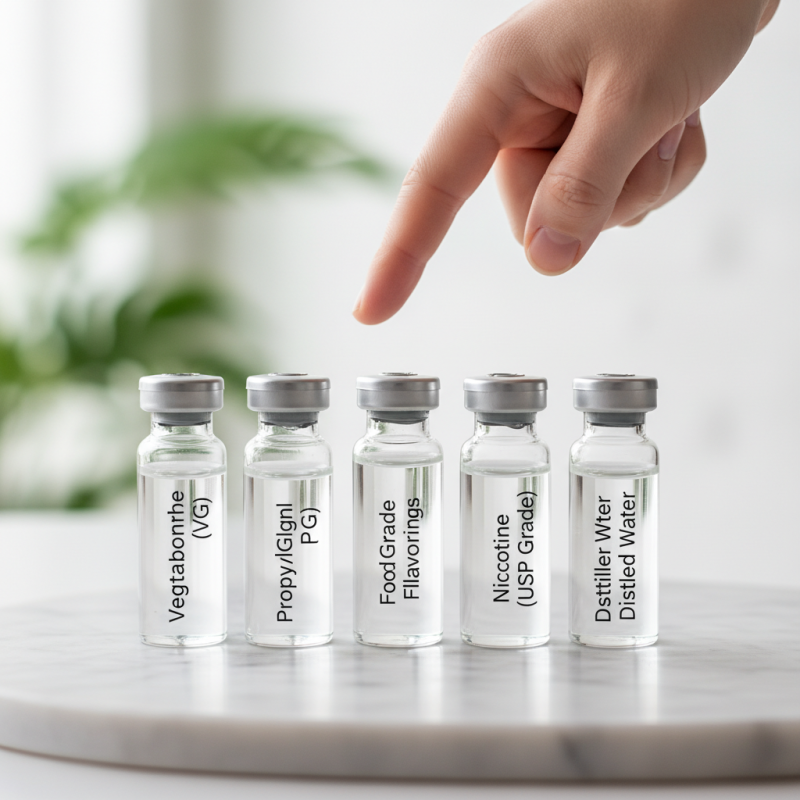
Understanding vape juice ingredients is essential for making informed choices. Many users pay attention to flavor but overlook safety. This oversight can lead to health risks. Taking time to read labels can promote better choices.
When selecting vape juice, check for common ingredients like propylene glycol and vegetable glycerin. These substances are often regarded as safer options. Both are widely used in food products. However, not all vape juices are created equal. Some can contain harmful additives or flavoring agents. Being aware is key to protecting your health.
Here’s a tip: always research any unfamiliar ingredients. Seek out reputable sources to understand their effects. You may find that some popular flavorings raise concerns. Another tip is to consult experts when in doubt. They can provide insights on safer alternatives. Remember, making informed choices can contribute significantly to your overall well-being.
When exploring vape juices, it’s crucial to prioritize safety. Many ingredients can affect both flavor and health. Understanding which components are safe helps users make informed choices.
One common ingredient is propylene glycol. This substance is generally recognized as safe. It serves as a base and helps in flavor delivery. Another safe option is vegetable glycerin. It is thicker and sweeter, enhancing the vaping experience. Both ingredients can produce large vapor clouds, appealing to many vapers.
Natural flavorings also play an essential role. However, not all flavorings are created equal. Users should opt for those derived from natural sources. This ensures minimal chemical exposure. Additionally, some users fail to consider how additives may interact with these ingredients. It’s vital to research and understand the composition of your vape juice. Balancing safety with enjoyment involves diligence and thoughtful choices.
Propylene glycol is a common ingredient in vape juice. It acts as a base, allowing for the even distribution of flavors and nicotine. It is generally recognized as safe by health authorities. However, some users may experience sensitivity to this compound. Understanding its role is essential for safer vaping.
When choosing vape juice, look for options with a higher ratio of vegetable glycerin (VG) to propylene glycol (PG). VG is thicker and sweeter, offering a smoother vapor. This can be a beneficial switch for those concerned about PG's effects. Always consider personal reactions to ingredients. Each person's body can react differently.
Be mindful of the flavors in vape juice. Some can contain additional chemicals that may be harmful. Read labels carefully. If uncertain, consult credible sources or professionals. Safe vaping begins with informed choices. Make it a habit to research ingredients and their effects. The journey to safer vaping is a personal one. Take the time to understand what you inhale.
Vegetable glycerin (VG) is a popular ingredient in vape juices. It is a clear, odorless liquid derived from plant oils, mainly coconut and palm. VG is appreciated for its ability to produce thick vapor clouds. Many vapers are drawn to VG for its smooth throat hit. This can enhance the overall vaping experience, making it enjoyable for many users.
In addition to its vapor-enhancing properties, VG also has potential health benefits. It is known for being less irritating compared to other substances. This can be crucial for those who may experience throat discomfort. However, VG is not without its controversies. Some users report that VG can lead to sweeter flavors that mask the taste of nicotine. This can encourage longer usage, which raises concerns about dependency.
Selecting a vape juice with a high VG content may also influence flavor intensity. Some users feel that the sweetness can be overwhelming. Others, however, enjoy the smoothness it brings. This complexity makes it essential for users to choose wisely. Experimenting with different ratios of VG and other ingredients can lead to a more tailored experience. Ultimately, understanding the role of vegetable glycerin can help vapers make informed choices about their products.
When exploring vape juice, one key aspect is understanding natural flavorings. Not all flavorings are created equal. Choosing safe, organic sources can make a difference in your vaping experience. Look for ingredients derived from fruits, herbs, and spices. These ensure a purer taste and better quality.
It’s critical to read the label. Some flavorings may sound natural but contain additives. Artificial ingredients can lead to unwanted side effects. Opt for products with clear descriptions of their sources. Do your research before making a purchase. Understanding what's in your vape juice promotes a healthier choice.
Even with natural ingredients, individual reactions can vary. What works for one person may not work for another. You may find some flavors overwhelming or too sweet. Keep track of your preferences. The journey to finding your ideal vape juice is personal and sometimes challenging. It’s a good idea to start with small quantities to avoid disappointment.
: Safety and ingredient awareness are essential. Read labels to understand what you are inhaling.
Propylene glycol and vegetable glycerin are common. Both are often found in food products.
Propylene glycol is safe for many, but some may experience sensitivity. Pay attention to your body's reactions.
Vegetable glycerin offers a smoother vapor and is thicker. It may be preferable for those sensitive to PG.
Look for flavors from fruits, herbs, and spices. Avoid those that may contain artificial additives.
Labels inform you about harmful additives. Understanding ingredients promotes healthier vaping choices.
Research the ingredient through reputable sources. Consulting experts can provide insights as well.
Yes, reactions can vary widely. What pleases one user may be overwhelming for another.
Start with small quantities. This approach helps you find what you enjoy without wasting products.
Some additives can be harmful. Being aware of them can protect your health and enhance your experience.
In exploring what are the safest vape juice ingredients, it's essential to understand the composition of vape juices and identify elements that prioritize user safety. The primary ingredients commonly found in vape juices include propylene glycol and vegetable glycerin. Propylene glycol, known for its low toxicity, serves as a base that enhances flavor and vapor production, while vegetable glycerin is appreciated for its thicker consistency and ability to produce denser vapor, alongside being a safer alternative for those sensitive to other chemicals.
Another critical aspect is the selection of natural flavorings, which can significantly impact the overall safety of the vaping experience. When choosing vape juices, it's advisable to look for products containing high-quality, food-grade ingredients to minimize risks. By focusing on these safer components, vapers can enjoy a more responsible and enjoyable vaping experience while being mindful of their health.
