In the evolving landscape of vaping, health concerns arise from various ingredients found in vape juice. To address these concerns, it's essential to consider what are the safest vape juice ingredients. Dr. Angela Smith, a leading expert in respiratory health, states, "Choosing the right ingredients can significantly impact long-term health outcomes for vapers."
The quest for safer alternatives has led many users to wonder about their options. Ingredients such as propylene glycol and vegetable glycerin are commonly used. Both are regarded as relatively safe when consumed in moderation. However, potential risks remain. Flavoring agents can vary widely in safety. Some may pose health risks, especially when inhaled.
Research continues to be essential in determining what are the safest vape juice ingredients. It’s crucial for users to stay informed and cautious. Not all vape juices are created equal. Ingredient transparency is vital in making safe choices. As the industry evolves, so should our understanding of safe practices in vaping.
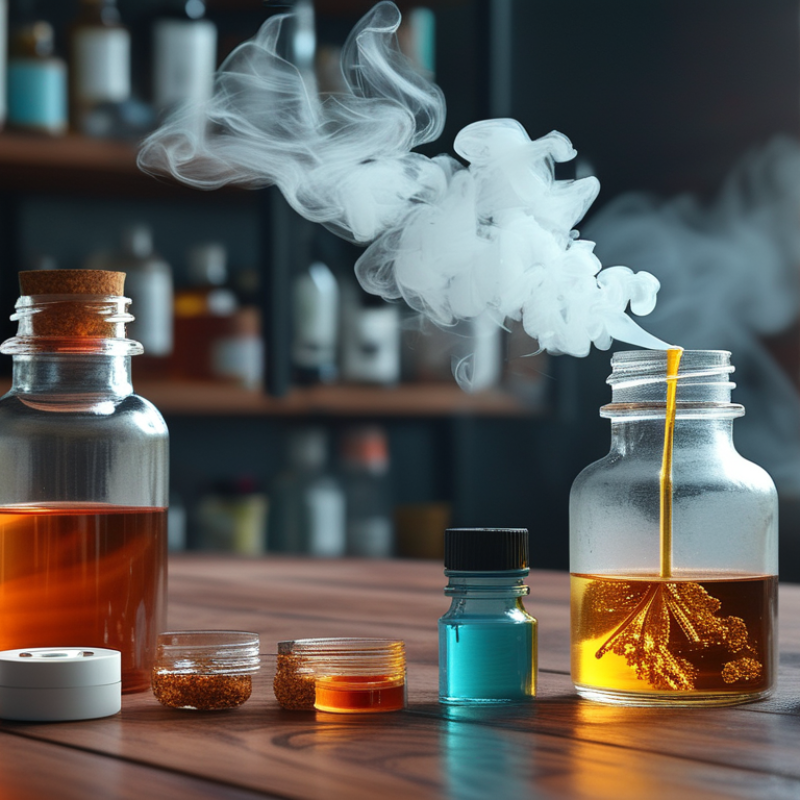
Vape juice ingredients vary widely, influencing both flavor and safety. Common components include
propylene glycol (PG),
vegetable glycerin (VG), nicotine, and flavorings. Reports indicate that PG and VG are generally recognized as safe (GRAS) by the FDA for consumption. However, their safety in inhalation is less certain.
Flavoring compounds in vape juices can present risks. Certain flavorings, like diacetyl, have been
linked to respiratory issues when inhaled. A study from the American Journal of Public Health indicated that nearly
75% of flavored e-liquids contain potentially harmful substances. Thus, users need to scrutinize labels carefully.
Nicotine presents a different set of concerns. While it is less harmful than traditional tobacco products, it can still lead to addiction. Many people might
underestimate its effects. Ongoing research continues to explore the long-term health implications of inhaling vape substances. This highlights a need for
vigilance and more consumer education on the varying safety profiles of these ingredients.
When it comes to vape juices, the ingredients vary widely. Natural ingredients often have distinct advantages. They tend to have fewer harmful additives. For example, plant-derived flavorings may offer a more authentic taste without synthetic alterations. However, sourcing quality natural ingredients can be challenging. These sources must be credible and tested to ensure safety.
On the other hand, synthetic ingredients are common in many vape juices. They can create more consistent flavors and products. Yet, there is a growing concern about their long-term health effects. Some synthetic compounds may cause allergic reactions or other health issues. A lack of transparency in the manufacturing processes adds to these concerns. Both types of ingredients warrant careful consideration. Ultimately, understanding what goes into vape juices is essential for consumers. We must ensure our choices reflect both safety and personal health priorities.
Vape juices often contain various additives that can be harmful to health. Many users overlook these ingredients, thinking all vape products are safe. However, understanding harmful additives is crucial for health-conscious consumers. Common harmful compounds include diacetyl and acrolein. These substances can lead to respiratory issues and other health problems.
When choosing vape juices, it’s important to check labels carefully. Look for products that explicitly list their ingredients. Avoid those with vague terms or no ingredient list at all. Always prioritize well-known ingredients. Make your health a priority by doing your research.
Tips for safer vaping include opting for nicotine-free options and avoiding overly sweetened flavors. These additives can mask harmful components and lead to higher consumption. Consider consulting with health professionals about your vaping choices. Your well-being should always come first.
When considering vape juice, health-conscious consumers often seek safer ingredients. Many commercially available vape juices contain a mix of synthetic and natural substances. However, recent reports indicate that some artificial flavorings can pose health risks. A study from the Journal of Toxicology highlighted that certain diacetyl compounds can lead to respiratory issues. It’s crucial to steer clear of these ingredients for a healthier experience.
Natural ingredients like vegetable glycerin (VG) and propylene glycol (PG) have emerged as safer alternatives. VG is derived from plants and is known for its smoothness. PG, used in food products, is often recognized for its favorable safety profile. Choosing vape juices with these components can lead to a more satisfactory vaping experience while minimizing health concerns.
Tips: Look for vape juices labeled “diacetyl-free." Also, check for products using certified organic ingredients. Always research brands to ensure quality and transparency. Don't blindly trust labels—scrutinizing ingredient lists can make a significant difference for your health.
When it comes to vape juice, regulatory standards play a crucial role in ensuring safety. Various governmental bodies oversee the testing of ingredients. The FDA has established guidelines for e-liquids, focusing on transparency and the identification of harmful substances. These regulations aim to reduce health risks associated with vaping.
A report from the American Journal of Public Health indicates that around 50% of vape juices contain diacetyl, a chemical linked to lung disease. This raises questions about the effectiveness of current regulations. Often, manufacturers may not disclose all ingredients, leading to potential health threats.
Tips: Choose vape juices that disclose their full ingredient list. Look for products tested by third-party laboratories. Consider options without artificial flavors and unnecessary additives. This choice can contribute to a safer vaping experience.
Health safety checks should address not only harmful chemicals but also quality control. Manufacturers should implement regular testing procedures. However, not all brands adhere to these practices. Consumers must remain informed and skeptical. Only then can a safer vaping environment be fostered for everyone.
: Common ingredients include propylene glycol, vegetable glycerin, nicotine, and various flavorings.
They are generally recognized as safe for consumption, but inhalation safety is less certain.
Some flavorings, like diacetyl, can cause respiratory issues when inhaled.
Nearly 75% of flavored e-liquids may contain harmful substances, so it's vital to scrutinize labels.
While less harmful than traditional tobacco, nicotine can still lead to addiction.
Natural ingredients often have fewer harmful additives but can be harder to source safely.
Look for products free of harmful additives like diacetyl and acrolein.
Opt for nicotine-free options and avoid overly sweetened flavors to reduce harmful exposure.
Lack of transparency in manufacturing can lead to hidden health risks in vape products.
Consulting with health professionals about your choices is always a wise decision.
The article "What are the Safest Vape Juice Ingredients for Health?" explores the various components commonly found in vape juices and their safety profiles. It begins by outlining key ingredients, differentiating between natural and synthetic substances, and discussing their health implications. The piece emphasizes the importance of identifying harmful additives that may pose risks to health, encouraging consumers to be vigilant in their choices.
Furthermore, the article highlights healthier alternatives that are considered safe ingredients for vape juices. It also reviews regulatory standards and safety checks in place to ensure the quality of these ingredients. By addressing the question of what are the safest vape juice ingredients, the article provides insightful information for vape users looking to make informed decisions regarding their health and well-being.
