As the popularity of vaping rises, so does the challenge of battery disposal. Millions of vape batteries end up in landfills each year, posing environmental risks. Experts emphasize the importance of proper recycling methods. Dr. Emily Carter, a sustainability expert, states, "It’s crucial to know how to recycle old vape batteries safely to protect our planet."
Understanding how to recycle old vape batteries safely starts with awareness. Many consumers are unaware that lithium-ion batteries can leak harmful chemicals if not disposed of correctly. Proper recycling can prevent soil and water contamination. Communities need to provide accessible recycling programs to encourage diligent participation.
Additionally, many feel detached from the consequences of improper disposal. It’s easy to overlook the impact of individual choices. Reflecting on our habits is vital. Each responsible decision contributes to a larger effort to safeguard the environment. By educating ourselves, we can make informed choices and create a healthier planet for future generations.
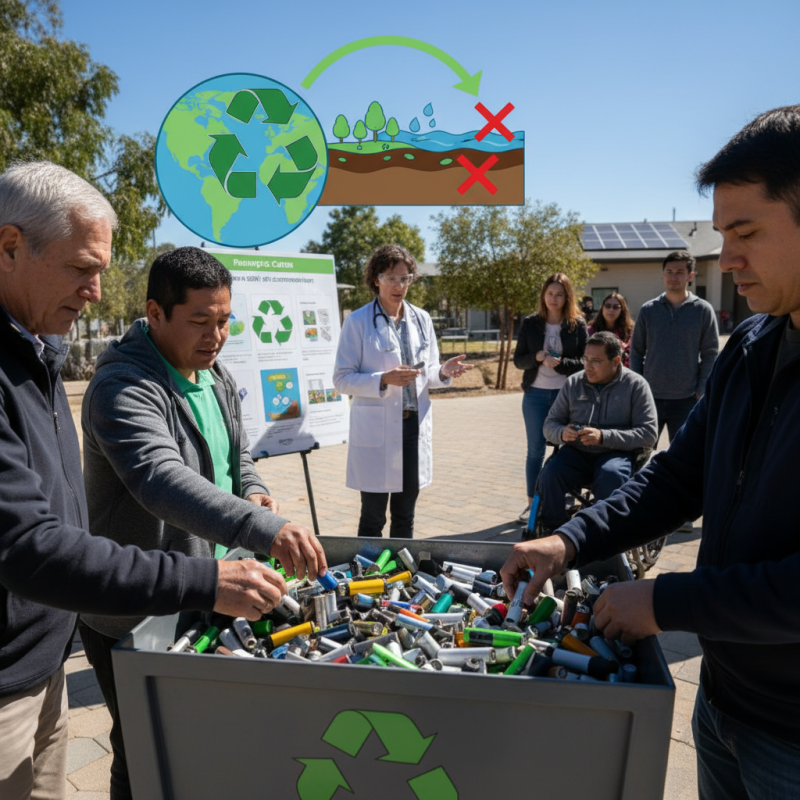
Recycling old vape batteries is crucial for protecting the environment. Many people overlook the impact of improperly disposed batteries. These batteries contain harmful chemicals. When they end up in landfills, they can leach into soil and water. This can harm ecosystems and wildlife. Proper recycling helps mitigate these risks.
To recycle vape batteries safely, start by finding designated drop-off locations. Many electronics stores offer battery recycling programs. They ensure that batteries are processed correctly. It's important not to throw them in regular trash. These batteries can explode or cause fires in landfills. Moreover, failing to recycle adds to the growing electronic waste problem.
Awareness is key in this process. Education about the environmental benefits of recycling can motivate change. Each recycled battery contributes to a cleaner planet. Yet, some individuals still resist proper disposal methods. This reluctance reveals a need for better outreach. Communities should promote local recycling initiatives more effectively. We can all play a role in making a difference.
: Recycling protects the environment. Improperly disposed batteries can harm ecosystems and wildlife.
Store them in a cool, dry place away from flammable materials.
No, never throw them in regular trash. They can cause fires in landfills.
Use non-conductive containers. Keeping them in original packaging is ideal.
Choose biodegradable materials and label clearly. Inform handlers about battery contents.
Different regions have unique shipping regulations. Stay informed to avoid complications.
Many individuals still resist proper disposal methods. This reveals a need for better awareness.
They should educate residents on benefits and provide accessible recycling options.
Checking for damage helps prevent leaks and promotes safer handling practices.
Recycle them responsibly to mitigate environmental risks.
Proper recycling of old vape batteries is crucial for environmental sustainability and safety. Understanding the different types of vape batteries is the first step in learning how to recycle old vape batteries safely. This includes knowing their chemical composition and ensuring they are stored and handled carefully to prevent hazards. Recycling centers can be located through local waste management resources or specialized recycling programs.
For global buyers, eco-friendly packaging and shipping practices are essential to minimize carbon footprints during the recycling process. Utilizing biodegradable materials and ensuring batteries are securely packed can prevent accidents during transit. By following these guidelines, consumers can contribute to safer and more responsible recycling practices for vape batteries worldwide.

 Droned Vape