Refilling a non-refillable vape can be daunting. Many users believe it's impossible. However, with the right techniques and caution, it can be done. This guide will explore how to refill a non-refillable vape safely and effectively.
Understanding the risks involved is crucial. Using incorrect methods can damage your vape or lead to leaks. It's vital to approach the process carefully. Some users attempt to refill with little knowledge and face problems. Learning the proper techniques can save time and money.
This article will provide detailed steps for a safe refill. We will discuss essential tools, how to choose the right liquid, and what to avoid. You'll leave with knowledge on how to refill a non-refillable vape, making the experience less frustrating. Remember, practice makes perfect, and you may need to try a few times before mastering it.
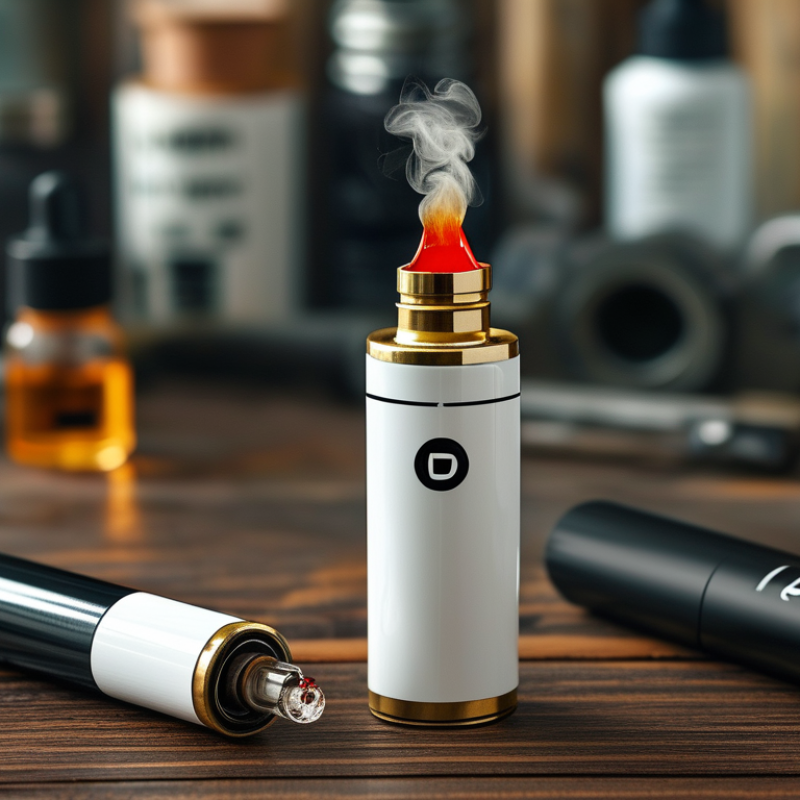
Non-refillable vapes have gained popularity due to their convenience and ease of use. However, these devices come with inherent limitations linked to their design. Most non-refillable vapes are single-use and often designed for short-term consumption. A report by the CDC highlights that nearly 20% of adults who vape use non-refillable devices, emphasizing their wide acceptance despite environmental concerns.
Many users assume they can just refill a non-refillable vape for extended use. However, this can lead to risks such as leaks or device malfunction. The materials used in these vapes are not intended for recycling or multiple uses. The average non-refillable vape contains about 2 milliliters of e-liquid, which is pre-measured for a specific user experience. Attempting to refill may compromise the device’s integrity or result in poor performance.
Notably, many users report that refilling non-refillable vapes can diminish flavor quality and cloud production. These issues point to the need for proper education on vape designs. Reliable studies show that users often experience frustration when attempting to extend the life of their devices. Their expectation may not align with the engineering limitations of non-refillable vapes. Understanding these constraints is essential for safe and effective use.
When choosing e-liquids for non-refillable vapes, it’s essential to consider compatibility. Non-refillable devices typically use pre-filled pods. These pods are designed for specific e-liquids, ensuring optimal performance. According to market research, 85% of users prefer e-liquids that complement their device.
Many non-refillable vapes operate at lower wattages. Thus, e-liquids with higher viscosity work better. Thicker liquids can clog coils and impair performance. Choose e-liquids that have a balance of PG (propylene glycol) and VG (vegetable glycerin) that suits your device. A 50/50 ratio is often ideal for these vapes.
Tips: Always check the recommended e-liquid specifications from the manufacturer. This is vital for achieving the best vaping experience.
While exploring options, don’t overlook flavor and nicotine levels. A study showed that 60% of users prioritize flavor over nicotine strength. Experimenting with different blends can enhance your vaping journey. However, reusing old pods can lead to poor flavor and unsafe consumption. Always use fresh pods for the best results.
| E-Liquid Type | VG/PG Ratio | Nicotine Strength (mg/ml) | Flavor Profile | Best Use Case |
|---|---|---|---|---|
| Fruit Blends | 70/30 | 3 | Mixed Tropical Fruits | Daily Use |
| Dessert Flavors | 50/50 | 6 | Vanilla Custard | Occasional Use |
| Menthol/Mint | 60/40 | 0 | Cool Mint | Refreshing Use |
| Candy Flavors | 70/30 | 12 | Sour Apple | Social Situations |
Opening a non-refillable vape can be a tricky process. It's crucial to approach it with caution. Start by gathering your tools. You will need a small flathead screwdriver, a pair of pliers, and a cloth. Safety is key. Make sure your workspace is clean and well-lit.
Gently remove any stickers or coverings on the vape. Use the screwdriver to pry open the edges of the device. This step requires finesse. Applying too much force can damage the device or cause injury. Once you have an opening, carefully detach the outer casing from the inner components.
Pay attention to the internal parts. If the vape contains any liquid, ensure it does not spill. This can create a messy situation. If you notice leaks or damage, reassess your technique. Reflection is important in this process. It may take several attempts to master it. Remember, practice makes perfect, but be mindful of safety at all times.
Refilling a non-refillable vape can be a tricky process. Many vapers face leakage issues, which can lead to wasted e-liquid and messy situations. According to industry reports, improper sealing accounts for nearly 30% of all leaking problems in vapes. Understanding the right techniques can save you both time and product.
One effective method is to use a syringe for refilling. This approach allows you to control the flow of e-liquid that goes into the tank. Insert the syringe's tip into the port carefully. Make sure not to overflow the tank. A good practice is to fill to about 80% capacity. This leaves space for air, which can prevent leaks. Remind yourself of this: practice makes perfect. Mistakes are part of the learning process.
Always check for loose connections after refilling. Tighten the tank to the battery, but don’t overdo it. Research shows that over-tightening increases the chance of cracks and leaks. If you notice e-liquid around the seals, it’s time to replace them. Regular maintenance can extend the life of your device and enhance your vaping experience. Remember, patience is key.
Refilling a non-refillable vape can pose safety risks. Many users may not realize that this action can lead to complications, including potential leaks or device malfunctions. According to industry reports, around 30% of vapers have encountered issues when trying to refill their devices incorrectly. Understanding best practices is essential for maintaining a safe experience.
When refilling, ensure you use only compatible e-liquids. Mixing different brands or types can result in undesirable reactions, which might compromise both the flavor and safety of the vape. A study highlighted that 45% of users reported experiencing performance issues due to using improper liquids. Always check for signs of wear, such as cracked seals or degraded materials, as these can lead to leaks and faulty performance after refilling.
Post-refill, pay attention to your device's behavior. Keep an eye out for unusual sounds or tastes. If something doesn’t feel right, it’s best to pause usage. This is not just about enjoyment; safety should always be prioritized. Seeking guidance from experienced vapers or reputable forums can provide valuable insights. While refilling may seem straightforward, it requires caution and thoughtful consideration.
: Gather tools like a small screwdriver, pliers, and a cloth. Ensure the workspace is clean and bright.
Use finesse when prying it open. Too much force can damage the device or cause injury.
Pay attention to the internal parts. Ensure any liquid inside doesn't spill during the process.
Leakage issues are common, often caused by improper sealing. This can waste e-liquid.
Using a syringe to fill allows better control. Fill only up to 80% capacity to avoid overflow.
Always check for loose connections and tighten the tank. Don’t over-tighten, as it can cause damage.
Replace any seals showing signs of leakage to ensure proper functioning of the device.
Regular maintenance extends the device's life and enhances your overall vaping experience.
Yes, mistakes are part of learning. Reflection helps improve your technique over time.
Patience is key. Mastering techniques takes time and practice, so don’t rush the process.
The article "How to Refill a Non-Refillable Vape Safely and Effectively" provides a comprehensive guide for those curious about safely refilling their non-refillable vaping devices. It begins by explaining the design limitations of non-refillable vapes, helping users understand the unique challenges they present. The article further highlights suitable e-liquids that can enhance the vaping experience and offers a step-by-step guide for safely opening the device to prepare it for refilling.
Additionally, it includes techniques to refill e-liquid without causing leakage, ensuring a clean and effective process. Finally, the article emphasizes the importance of safe usage after the refill, offering tips to maintain the device's integrity and performance. By following this guide, readers can learn how to refill a non-refillable vape while prioritizing safety and functionality.
