An old vape battery can look harmless, yet it may still hold enough energy to ignite nearby materials. A crushed cell inside a drawer, backpack, or kitchen bin can become a serious fire risk. Learning how to recycle old vape batteries safely protects your home, waste workers, and the environment. It also prevents lithium compounds from entering ordinary waste streams.
This guide explains practical steps for identifying, storing, and transferring used vape batteries. It focuses on rechargeable lithium-ion cells found in disposable devices, pod systems, and removable battery models. Do not place them in household trash or standard recycling bins. Never puncture, crush, burn, or open a battery. Cover exposed terminals with nonconductive tape, and keep the battery in a cool, dry place away from coins, keys, sunlight, and children.
Small choices matter. Contact a certified battery collection point, household hazardous-waste service, or retailer that accepts used batteries. Requirements differ by location, so check the provider’s current instructions before traveling. If a battery is swollen, leaking, cracked, unusually hot, or producing an odor, avoid touching it unnecessarily. Keep people away and contact local emergency or hazardous-waste professionals for advice. Do not transport a visibly damaged battery unless they specifically approve it.
Reliable recycling depends on honest handling. A device that appears empty may not be safe. Some collection sites accept complete vape devices, while others require separate batteries. This guide cannot replace local guidance, and that limitation matters. When uncertain, stop and ask a qualified professional rather than guessing.
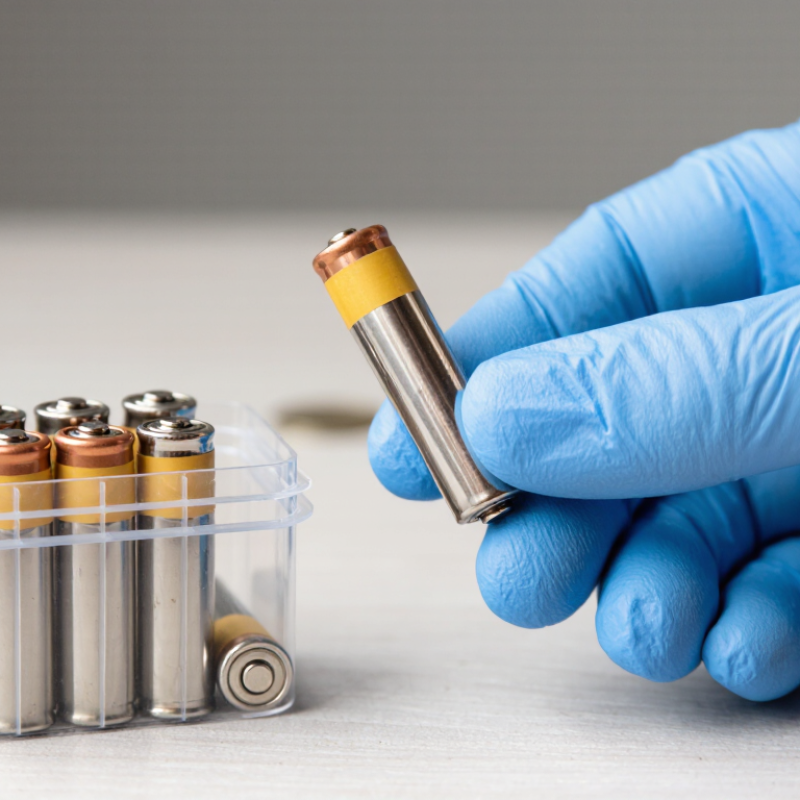
How to Recycle Old Vape Batteries Safely?
A small vape battery can create a large waste problem. The EPA’s 2021 analysis identified at least 245 fires linked to lithium-ion or lithium-metal batteries at waste facilities between 2013 and 2020. Crushing, puncturing, or overheating can trigger thermal runaway. A damaged cell may hiss, swell, leak, or become hot without warning. Never place a lithium-ion cell in household trash or a recycling bin. Waste trucks and sorting machines can compress it, causing sparks and fire.
Remove the battery only if the device allows safe removal. Do not force a sealed battery open. Cover exposed terminals with non-conductive tape, then place the cell in a cool, dry container away from metal objects. Keep it away from sunlight, water, children, and flammable materials. Take it to a household hazardous-waste site or a certified battery collection point. EPA guidance supports this route. Local instructions may differ, so check before traveling.
Tips: Stop using swollen, cracked, leaking, or hot batteries. Do not store loose cells in a pocket or drawer. If a battery smokes, move away and call emergency services. Do not touch it. I once treated a tiny cell as harmless; that assumption was careless. Battery recycling also has limits, and collection points are not equally prepared. Ask whether they accept rechargeable lithium-ion cells before handing one over. A few seconds of checking can prevent a facility fire.
Before recycling an old vape battery, identify its chemistry and capacity. Most contain lithium-ion cells, but the label may show only voltage and milliamp-hours. Calculate watt-hours with this formula: Wh = volts × amp-hours. For example, a 3.7-volt, 2,000-mAh cell equals 7.4 Wh. Do not guess from the device’s appearance. Labels fade, and replacement cells may differ.
The FAA’s 100-Wh rule applies to spare lithium batteries carried by air. Cells rated at 100 Wh or less are generally allowed in carry-on baggage, while spare batteries must not go in checked luggage. Batteries between 101 and 160 Wh usually require airline approval, with additional limits. A vape device and its battery must remain protected from accidental activation. Cover exposed terminals with non-conductive tape, or place each cell in a separate plastic bag. Never recharge or use it during a flight.
For recycling, air travel may not be the best route. Contact a local household hazardous-waste program or battery collection site before transporting the cell. A swollen, leaking, hot, cracked, or punctured battery needs special instructions. Do not place it in household trash or a regular recycling bin. Do not open an integrated battery pack.
I once assumed a smaller-looking cell was safer; that was poor judgment.
Capacity, damage, and terminal protection matter more than size. Keep the battery away from keys, coins, heat, and loose metal objects while waiting for disposal guidance.
How to Recycle Old Vape Batteries Safely?
Prepare Intact Batteries: Tape Terminals as Recycling Guidance Recommends
An old vape battery can still hold energy, even when the device appears empty. Handle it gently. Do not crush, bend, puncture, or remove an intact battery from its casing by force. Check for swelling, cracks, leaks, unusual heat, or a sharp chemical smell. Stop handling damaged batteries. Keep them away from people and flammable materials, then contact your local hazardous-waste service for instructions.
For an intact battery, cover the exposed terminals with non-conductive tape. Use small pieces, and make sure the metal contacts are fully covered. Do not wrap the entire battery tightly or place tape over damage. Store each prepared battery separately in a cool, dry container. Avoid pockets, loose drawers, and metal boxes. A plastic container without metal parts is safer for temporary storage. I once assumed an empty battery was harmless. That assumption was wrong. Small sparks can start when terminals touch keys, coins, or another battery. Take the taped batteries to an approved battery collection point. Ask the facility about its packaging rules, because requirements can differ locally. Never place lithium batteries in household trash or ordinary recycling bins.
| Battery or Device Condition | Recommended Preparation | Safe Handling | Recycling or Disposal Route |
|---|---|---|---|
| Intact removable battery No swelling, leakage, scorching, cracks, or unusual heat |
Remove it only if the device is designed for safe battery removal. Cover exposed terminals with non-conductive tape, such as electrical or clear tape. | Keep the battery away from keys, coins, metal tools, direct sunlight, and moisture. Do not crush, bend, puncture, or open it. | Place it in a collection container that accepts rechargeable lithium-ion batteries. Follow the facility’s packaging and drop-off instructions. |
| Intact non-removable vape device Battery is built into the device |
Do not dismantle the device. If there is an exposed charging contact or loose metal part, prevent contact with other metal objects using non-conductive tape where safe. | Do not attempt to drain, recharge, or modify the device before recycling. Keep it separate from ordinary household waste. | Use an approved battery, electronic-waste, or hazardous-waste collection point that accepts whole vape devices. |
| Swollen, leaking, cracked, smoking, hissing, or hot battery | Do not tape, charge, remove, or puncture it. Do not place a damaged battery in a sealed household container. | Keep people and flammable materials away. If it is smoking or on fire, leave the area and contact local emergency services. Do not handle it unless emergency guidance says it is safe. | Contact the local fire department, household hazardous-waste authority, or recycling facility for specific instructions before transport. |
| Battery with visible liquid leakage | Avoid touching the liquid. Do not wipe the battery with bare hands or place it with intact batteries. | Keep it away from skin, eyes, children, pets, heat, and ignition sources. Wash exposed skin with plenty of water and seek medical advice if irritation occurs. | Ask local hazardous-waste or emergency authorities how to package and collect it safely. |
| Loose battery terminals Metal contacts are exposed |
Apply tape over the terminals without wrapping the battery tightly or covering signs of damage. | Prevent contact between batteries. Carry batteries in a non-metal, non-conductive container rather than loose in a pocket or bag. | Deliver them to a designated rechargeable-battery collection point as soon as practical. |
| Used disposable vape Battery and electronics remain inside |
Do not cut, crush, puncture, burn, or disassemble the casing. Do not pour out or tamper with the remaining liquid. | Keep it dry and separate from paper, textiles, and other flammable materials. Protect it from accidental activation if the design allows this without dismantling. | Take the complete device to a collection program that accepts electronic waste, lithium-ion batteries, or vape devices. |
| Battery mixed with other recyclables | Remove it from the paper, plastic, glass, or curbside recycling stream if it can be removed safely. | Never place lithium-ion batteries in household garbage or standard curbside recycling bins because they can ignite during collection and processing. | Use a dedicated battery or household hazardous-waste drop-off location. |
| Before transport | Confirm that the receiving facility accepts the battery type and condition. Keep intact batteries upright and separated. | Avoid leaving batteries in a hot vehicle. Do not mail or ship them unless the carrier and applicable transport rules specifically permit it. | Follow all local instructions, including limits on quantity, packaging, and acceptance of damaged batteries. |
Important: Local recycling and hazardous-waste requirements vary. Always check the receiving facility’s current instructions before transporting a vape battery or complete vape device.
Old vape batteries should not sit loose in a kitchen drawer. Their lithium cells can short against keys, coins, or other metal objects. The U.S. Environmental Protection Agency warns that damaged lithium-ion batteries may cause fires during collection, transport, or processing. Treat every cell carefully.
Use the EPA’s recycling locator to identify approved battery and electronic-waste collection points near you. Then check the Call2Recycle locator network for participating drop-off sites. These tools can show opening hours, accepted battery types, and local restrictions. Call before traveling. Some locations accept rechargeable batteries but reject complete devices or swollen cells. That detail matters.
Before leaving home, inspect the battery for swelling, leakage, cracks, or unusual heat. Do not charge or open a damaged cell. Place an intact, removable battery in a clear plastic bag, or cover its terminals with nonconductive tape. Keep it dry and away from children. EPA’s Facts and Figures report recorded 2.7 million tons of consumer electronics waste in the United States in 2018, with only 38.5% recycled. Call2Recycle’s 2023 impact reporting also recorded more than eight million pounds of batteries collected across North America. Those figures show the scale, but they do not guarantee every drop-off accepts vape batteries. I once assumed “battery recycling” meant every format. It does not. Verify the site’s rules first.
Old vape batteries need controlled handling, not a household bin. Lithium-ion cells can ignite when crushed, punctured, or exposed to metal objects. Keep each battery dry and separate. Cover exposed terminals with non-conductive tape. Do not store swollen, leaking, or hot batteries indoors. Seek trained collection support immediately.
Responsible processing depends on verified downstream control. R2 and e-Stewards standards require documented environmental, health, and safety practices. They also emphasize tracking materials through qualified processors. Ask for current certification, the facility scope, and the final destination of recovered batteries. A certificate alone is not enough. Verify the process.
The Global E-waste Monitor 2024 reported 62 billion kilograms of electronic waste generated worldwide in 2022. Only 22.3% received documented collection and recycling. The report projects 82 billion kilograms by 2030. These figures expose a serious gap.
Vape batteries add small, difficult-to-sort units to that stream. A responsible recycler should isolate batteries, assess damage, and use tested recovery methods.
Request records when possible. Photos help. Yet paperwork can still miss poor handling. That uncertainty deserves attention.
Multiply voltage by amp-hours. Convert milliamp-hours by dividing by 1,000. A 3.7-volt, 2,000-mAh cell equals 7.4 watt-hours. Do not guess.
Batteries rated at 100 watt-hours or less are generally allowed in carry-on baggage. Spare batteries must not go into checked luggage. Rules may vary, so confirm with the airline before travel.
These batteries usually require airline approval. Additional quantity limits may apply. Ask before arriving at the airport.
Cover exposed terminals with non-conductive tape. Place each battery in a separate plastic bag. Keep batteries away from keys, coins, heat, and loose metal objects. Never recharge or use one during a flight.
Watch for swelling, leaking, unusual heat, cracks, punctures, or a sharp chemical smell. Stop handling a damaged battery. Keep it away from people and flammable materials. Contact a local hazardous-waste service.
Handle it gently. Do not crush, bend, puncture, or force it from its casing. Cover exposed metal contacts with small pieces of non-conductive tape. Store it separately in a cool, dry plastic container.
Use an approved battery collection site or household hazardous-waste program. Ask about local packaging rules before transport. Never place lithium batteries in household trash or ordinary recycling bins.
No. Do not open or dismantle an integrated pack. Contact a qualified collection service for instructions. I once assumed a smaller cell was safer. That judgment was poor. Capacity, damage, and terminal protection matter more than appearance.
Learning how to recycle old vape batteries safely starts with recognizing that lithium-ion cells can cause fires if damaged, crushed, or placed in household trash or curbside recycling. First, identify the battery type and check its capacity, especially when transporting it by air. Loose lithium batteries are generally subject to limits for carry-on travel, so confirm current airline and aviation requirements before bringing one on a plane. Never attempt to open, puncture, burn, or repair a battery.
For intact batteries, prevent short circuits by covering exposed terminals with electrical tape or placing each cell in a separate protective bag. Store them in a cool, dry location away from metal objects and flammable materials. Then use a reputable battery-recycling or household hazardous-waste locator to find an approved drop-off site. Choose facilities that follow recognized standards for safe collection, data protection when applicable, material recovery, and responsible downstream processing. If a battery is swollen, leaking, hot, or damaged, avoid handling it and contact local emergency or waste authorities for specific instructions.
