Ghost inhaling is a brief vaping effect in which a visible cloud is drawn back into the mouth after exhaling. It may look simple. The result depends on airflow, vapor production, and timing, so a compact device can behave differently from a larger one. A tight draw may produce a smaller, less defined cloud. That difference is easy to overlook.
This introduction explores what the effect involves and what readers should understand before searching for how to ghost inhale with a small vape device. It will explain the basic idea without treating vaping as harmless or promising reliable results. Vapor can contain nicotine and other substances, and inhaling it may irritate the throat or lungs. Nicotine can also lead to dependence. A cloud is not just water vapor.
Device instructions vary, so follow the manufacturer’s guidance rather than forcing a technique. Stop using the device if you feel unwell, and seek medical advice for persistent symptoms. People who do not already vape should not start for a visual effect. There is a real difference between describing a trend and recommending it. Small devices may seem mild, but appearance alone cannot show what is in an aerosol. That part deserves a closer look.
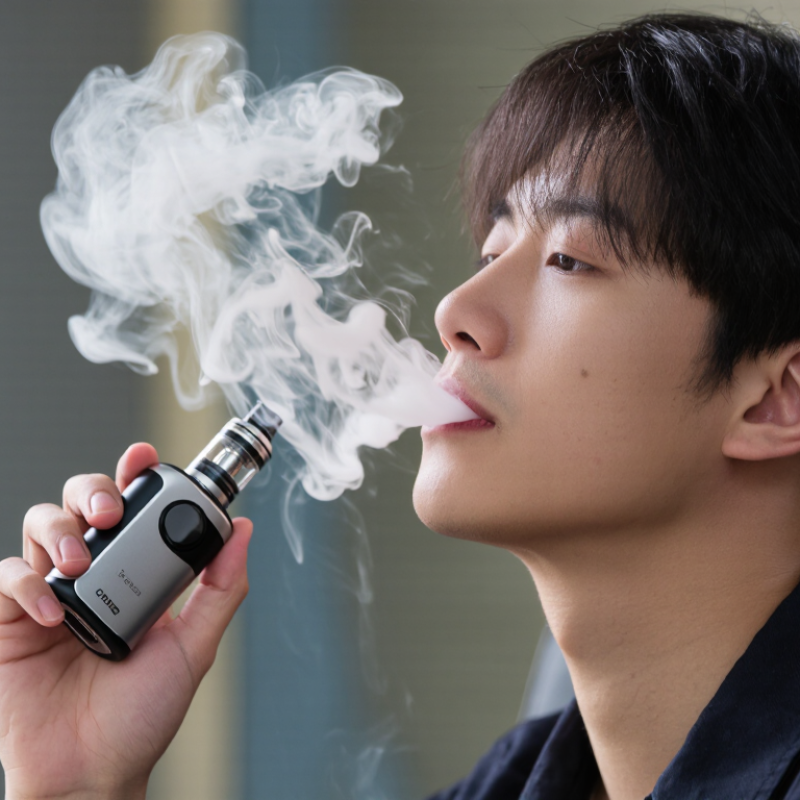
“What ghost inhaling means” is less dramatic than the name suggests. It is slang for vaping while producing little or no obvious exhaled cloud. The phrase has no clinical definition, and people may use it differently.
A small device can make a smaller visible plume, but the cloud’s appearance cannot show what someone inhaled. The aerosol may be hard to see. It is not simply water vapor.
The National Academies’ 2018 report, Public Health Consequences of E-Cigarettes, concluded that e-cigarette use can increase nicotine and particulate matter in indoor air. That matters even when a cloud disappears quickly.
The CDC’s 2024 National Youth Tobacco Survey found that 1.63 million U.S. middle and high school students reported current e-cigarette use. The survey did not measure ghost inhaling, so it cannot tell us how common the behavior is. That gap is worth noticing.
A faint cloud may look like no exposure, but appearance is a poor measure of risk. Research reports describe what can be present in aerosol; they cannot identify the contents of any one puff.
A small vape device produces an aerosol by heating liquid, not by making water vapor. Inside, a battery supplies power to a heating element, often called a coil. A wick carries liquid toward the hot surface. When the device is activated, the liquid warms and forms tiny airborne droplets. Air moves through the device and carries those droplets out through the mouthpiece. That is the basic cycle.
Not just water vapor.
The visible cloud depends on several details. A warm coil, steady airflow, and the liquid’s ingredients can change its density and how quickly it fades. In a cool room, a pale cloud may linger briefly; in warmer air, it can disappear sooner.
Some aerosol also settles on nearby surfaces, so the cloud’s appearance does not show everything it contains. That part is easy to overlook. “Ghost” inhaling is often described as drawing aerosol in and releasing it with little visible residue, but the effect varies with breathing, airflow, and room conditions.
A small device does not make the aerosol harmless, and appearance alone cannot indicate its contents. The mechanics are simple; the details are less so.
A ghost inhale is a brief vapor trick with three main stages: taking a small puff, releasing a compact cloud, and drawing that cloud back in. The effect depends on timing and airflow, not on producing a large cloud. It may look simple, but it can take practice, and results vary.
For the first stage, keep the puff small and hold the vapor in your mouth rather than taking a deep breath.
Next, part your lips and let the vapor drift out slowly; a dense, steady cloud is easier to control than a forceful exhale.
Then draw the cloud back toward your mouth with a gentle inward breath. Keep your movements relaxed.
That is the basic sequence.
Avoid repeated attempts if you feel light-headed or start coughing.
Tips: Choose a still, well-ventilated place so moving air does not scatter the cloud. Use gentle airflow, and stop if your throat feels irritated. No technique makes inhaled aerosol harmless, and vaping can expose the lungs to harmful substances. Small details matter, but the trick is not worth discomfort.
What Is Ghost Inhaling With a Small Vape Device?
Factors That Affect the Vapor’s Appearance
“Ghost inhaling” describes a brief cloud that seems to disappear and then reappear near the mouth. With a small vape device, the effect may look faint or uneven. The visible cloud is an aerosol, not simply water vapor. Its appearance alone cannot show what it contains or whether it is safe.
Several conditions change how clearly the aerosol shows. Cool, humid air may make a cloud linger, while warm or dry air can make it fade quickly. A dark background and side lighting reveal more detail than bright, direct light. Airflow matters too: a fan or open window can scatter the cloud. Device output and aerosol composition also affect density, but appearances vary between devices and individuals. It is easy to overread a single observation.
Tips: Compare the cloud in the same light and room conditions, rather than drawing conclusions from one puff. Keep aerosol away from other people, especially children and anyone with breathing sensitivities. If vaping causes coughing, chest tightness, or dizziness, stop and seek medical advice. A disappearing cloud is not a safety test.
Factors that affect the vapor’s appearance
A vape plume is an aerosol of tiny liquid droplets, not simply a gas. As warm, moist exhaled air cools, droplets can condense and become visible. This chart shows the calculated dew point of room air at 22°C: higher relative humidity brings the dew point closer to room temperature. Temperature, airflow, aerosol concentration, and lighting also affect how a plume looks. Dew points are approximate, calculated using the Magnus formula.
Ghost inhaling describes using a small vape device while releasing little visible aerosol. The cloud may seem to disappear, but that does not mean exposure is lower. The aerosol can contain nicotine, fine particles, and other substances, depending on the device and liquid. Nicotine can cause dependence, while inhaled aerosol may irritate the throat and lungs. Looks subtle. It is easy to mistake a faint exhale for a harmless one.
A small device is not automatically safer than a larger one. Holding aerosol in the mouth or lungs may prolong exposure, and suppressing a cough can worsen irritation. People with asthma, heart or lung conditions, or pregnancy should be especially cautious and seek advice from a qualified health professional. Avoid using any vape near children or people who do not want exposure. Stop if you notice wheezing, chest pain, or shortness of breath; severe symptoms need urgent medical care. Check for damage or unusual heat, and use only the device’s recommended charger. That detail is easy to overlook.
A battery heats a coil, while a wick brings liquid to its surface. The warmed liquid forms airborne droplets. It is not simply water vapor.
It describes a brief cloud that seems to disappear, then reappear near the mouth. The effect varies between people and settings.
The described sequence uses a small mouth-held puff, a slow release, and a gentle inward breath. It may take practice. Stop if you feel unwell.
Temperature, humidity, airflow, device output, and liquid ingredients can all affect its density and how quickly it fades.
Side lighting and a dark background can reveal more detail. A fan or open window may scatter the cloud. Easy to misread.
No. Its appearance cannot reveal its contents or safety. Some aerosol may settle on nearby surfaces.
Keep aerosol away from others, especially children and people with breathing sensitivities. A still, well-ventilated space may make clouds easier to observe.
Stop if coughing, throat irritation, chest tightness, or dizziness occurs. Seek medical advice for concerning symptoms. The trick is not worth discomfort.
Ghost inhaling is a vaping effect in which a person exhales a small cloud and then draws it back into the mouth, creating the brief appearance of a disappearing vapor ball. Understanding how to ghost inhale with a small vape device involves knowing how the device heats liquid into an aerosol and how airflow, draw length, and the timing of exhalation can affect the cloud. The effect is often described in stages: producing vapor, releasing a short, controlled puff, and drawing the cloud back in before it disperses.
The vapor’s appearance can vary with the device’s power and airflow, the surrounding temperature and humidity, and the size of the puff. A small device may produce less visible vapor than a larger one, and results are not guaranteed. Vaping is not risk-free: aerosols can contain substances that irritate or harm the lungs, and nicotine can be addictive. Avoid inhaling unfamiliar liquids or sharing devices, and stop if you experience coughing, dizziness, or breathing discomfort.
