Disposable vapes have surged in popularity worldwide. However, many countries are now considering bans on these products. The question looms: why are disposable vapes being banned in some countries? Renowned public health expert Dr. Lisa Montague has remarked, “The rise of disposable vapes poses significant health risks, especially among the youth.”
Recent studies highlight concerns over environmental impact and health risks linked to disposable vapes. They contribute to a growing waste problem, as they are often discarded improperly. Additionally, the high nicotine levels in these devices raise alarms about addiction, particularly among teens.
Countries from the UK to Canada are taking action. They aim to reduce youth exposure and promote safer alternatives. Yet, there is a delicate balance to strike between regulation and personal choice. As these debates unfold, the public remains divided on the future of disposable vapes. The ongoing conversation calls for deeper reflection on health, environment, and individual rights.
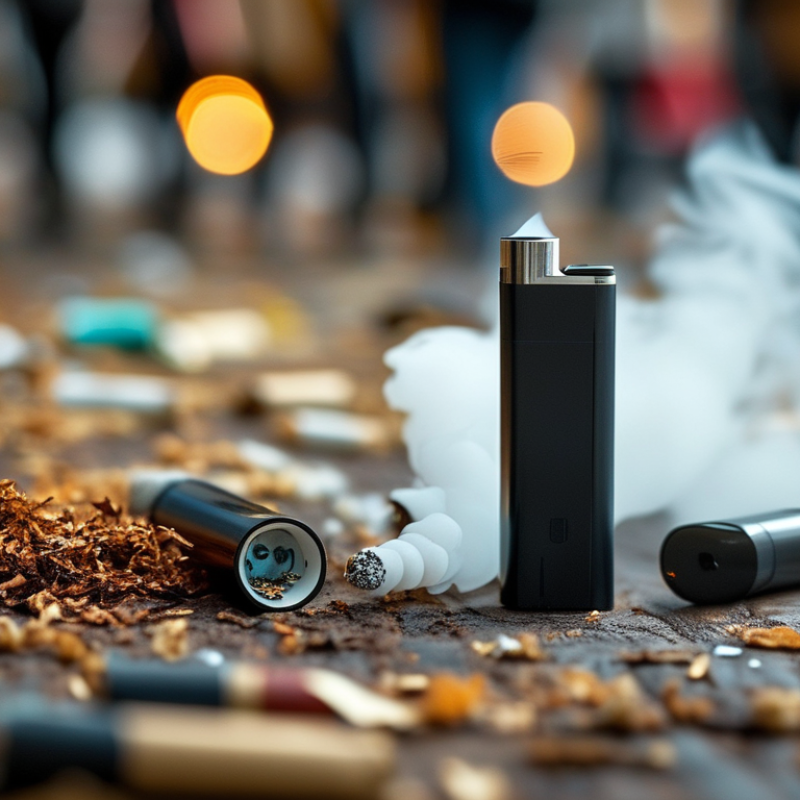
Reasons Behind the Rise in Popularity of Disposable Vapes
The rise in popularity of disposable vapes can be attributed to convenience and accessibility. Users appreciate the ease of use that these devices offer. There's no need to refill or recharge. Just pick one up and enjoy. This simplicity appeals to many, especially newcomers to vaping. Many people are attracted to the vibrant flavors and user-friendly designs. They can be found in bright colors, making them visually appealing.
However, this surge has a flip side. Some users may not fully understand the risks. Disposable vapes can encourage impulsive purchases, particularly among younger audiences. The eye-catching packaging often masks health considerations. Furthermore, the environmental impact of these products raises questions. Disposable items contribute to waste, which is a significant concern in today’s eco-conscious society.
As the consumer demand continues, regulations may tighten. Authorities are increasingly responding to the health and environmental issues linked to disposable vapes. This could lead to a balancing act between consumer freedom and public health. It's crucial for users to reflect on their choices and the broader implications. The enjoyment of vaping should not come at the expense of our health or the planet.
Health Concerns: The Impact of Disposable Vapes on Public Health
Disposable vapes have surged in popularity, but they raise significant health concerns. Research shows that these devices contain harmful substances. Users may not fully understand the impact of inhaling chemicals. Many perceive vaping as a safer alternative, yet evidence suggests otherwise. The long-term effects on respiratory health remain unclear.
Public health officials warn about the rise in vaping among adolescents. Disposable vapes come in enticing flavors, which may attract younger users. Short-term satisfaction can lead to long-term addiction. This worry is not just speculation—numerous studies highlight increased nicotine dependence in teens. The convenience of disposables makes them particularly appealing, but this ease comes with risks.
Countries are evaluating the dangers linked to these products. While disposable vapes offer a quick fix for some, health implications are serious. Communities bear the burden of potential health crises. Continuous research is needed to understand their full effects. Balancing convenience with safety is crucial, but the conversation around vaping must remain active and informed.
Environmental Issues: Waste and Pollution from Disposable Vapes
Disposable vapes have surged in popularity. However, their environmental impact is causing concern. According to a recent report by the Environmental Protection Agency, nearly 2.5 million disposable vapes end up in landfills each year in the U.S. alone. The materials used, such as plastic and lithium, take centuries to decompose, creating long-lasting pollution.
The sheer volume of waste generated by disposable vapes is alarming. Each device contributes to the growing e-waste crisis. While some argue that vaping is a less harmful alternative to smoking, the environmental consequences are profound. Studies indicate that over 75% of vapers discard their devices improperly, leading to toxic substances leaking into soil and water systems.
Raising awareness about this issue is critical. Many users are unaware of the environmental footprint of their habits. Some cities have already implemented bans or restrictions on disposable vapes. Legislation aims to reduce waste and encourage more sustainable vaping options. A cultural shift toward responsible consumption is essential to mitigate the pollution caused by these products.
Regulatory Responses: Countries Implementing Bans on Disposable Vapes
Countries worldwide are increasingly implementing bans on disposable vapes. These devices are often perceived as harmful due to their environmental impact and health risks. Many countries are concerned about the growing youth vaping epidemic. The bright colors and enticing flavors attract young users, raising significant public health concerns.
Several nations are responding with strict regulations. For instance, some countries have outlawed the sale of disposable vapes altogether. Others limit certain flavors to deter young consumers. The rationale behind these actions is clear: protect public health while addressing environmental issues. Bans on disposable products aim to reduce waste and promote more sustainable alternatives. However, these measures are not without controversy.
Debates continue about the effectiveness of such bans. Critics argue that they may push users to unregulated markets, leading to greater risks. Furthermore, discussions on potential taxation and regulations on reusable products are ongoing. Finding a balanced approach is crucial. Each decision carries implications for public health and environmental stewardship. Stakeholders must reflect on creative solutions to address these challenges effectively.
Alternatives to Disposable Vapes: Exploring Sustainable Options
The rise of disposable vapes has led to growing concerns about their environmental impact. Many manufacturers produce these devices using non-biodegradable plastics. The World Health Organization highlights that tobacco waste, including vapes, contributes to global pollution. An estimated 1.5 million disposable vapes are discarded every day in the United States alone. This alarming statistic underscores the need for sustainable alternatives.
Eco-friendly options are emerging in response to these challenges. Refillable vapes and e-liquid systems can drastically reduce waste. A recent industry report revealed that adopting refillable systems could cut down plastic waste by up to 70%. Furthermore, brands are exploring biodegradable materials for vape production. These materials aim to minimize environmental footprints. The transition to more sustainable practices is not just beneficial for the environment, but also enhances consumer awareness about responsible usage.
However, the shift to sustainable options is not without its challenges. Many consumers are still inclined towards the convenience of disposables. Educating users about the environmental impact is essential. Gathering data on consumer behavior can also help manufacturers develop better options. Observing these changing trends will be crucial as regulations tighten. The future of vaping may depend heavily on how quickly the industry adapts to meet these demands.
Conclusion
Disposable vapes have surged in popularity due to their convenience and perceived ease of use. However, the increasing health concerns associated with their usage, particularly regarding the potential impact on public health, have raised alarms among health officials. Furthermore, environmental issues related to the waste and pollution generated by these single-use devices exacerbate the situation, prompting a closer examination of their sustainability.
In response to these challenges, various countries are implementing bans on disposable vapes, highlighting the critical question: why are disposable vapes being banned in some countries? As regulatory responses intensify, discussions are also focusing on exploring sustainable alternatives that could mitigate health and environmental issues while satisfying consumer demand.

 Droned Vape