As the vaping industry grows rapidly, counterfeit products pose a significant risk to consumers. Reports indicate that nearly 30% of vapes in the market may be fake. This alarming statistic raises the crucial question: how to tell if a vape is fake or authentic? Understanding the characteristics of genuine products is essential for both safety and satisfaction.
Many users often overlook the importance of verifying authenticity. Counterfeit vapes can contain harmful substances and unreliable functionality. A study from the American Vaping Association highlights that fake vapes can increase risks of adverse health effects. Thus, consumers must prioritize their safety by learning how to spot counterfeit products.
Identifying authentic vapes requires attention to detail. Genuine products often include specific logos, quality packaging, and manufacturer markings. However, even seasoned users can be deceived by skillfully made fakes. As the market becomes saturated, our guide on identifying authentic vs. fake vapes aims to empower consumers. Awareness is the first step towards a safer vaping experience.
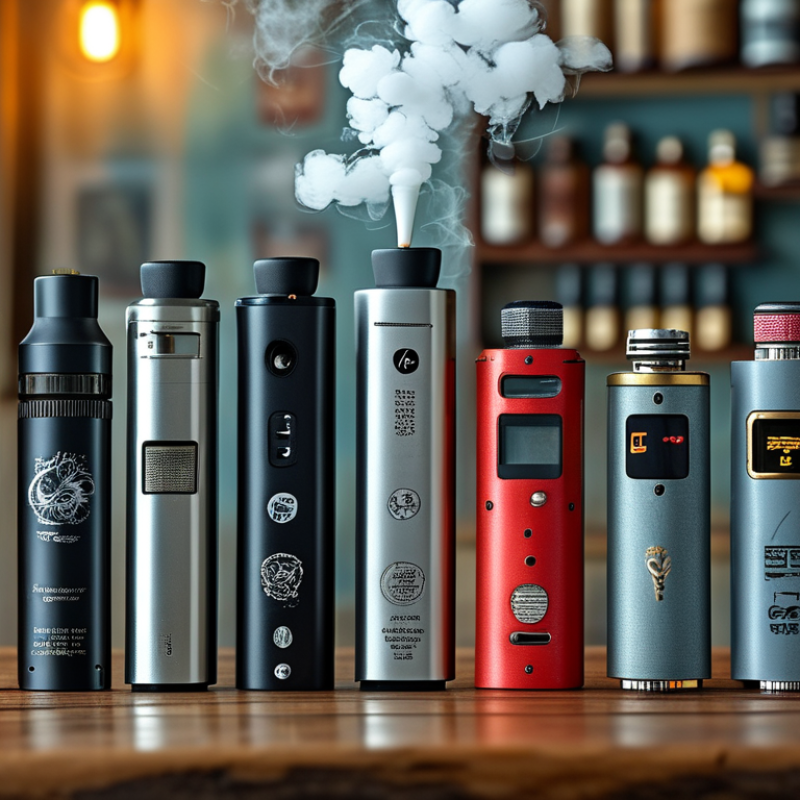
Identifying the authenticity of vape products is crucial in today's market. Recent reports indicate that over 30% of vapes on the market may be counterfeit. These fake products often compromise user safety. They may contain substandard materials or toxic substances. Users should be vigilant. A reliable vape product should have clear labeling. This can include batch numbers and expiration dates. Check for a serialization code. Authentic products usually offer online verification options.
Another key factor is packaging. Authentic vapes typically come in high-quality packaging. Look for any signs of tampering. Examine the graphics and text carefully. Poor print quality can be a red flag. Additionally, consider the price point; if a deal seems too good to be true, it might be. The market for counterfeit vapes continues to grow. As demand rises, so does the risk of purchasing a fake product.
User reviews and customer feedback play a vital role. Authentic brands often have a strong online presence and transparent communication. They actively engage with consumers regarding safety issues. This interaction reflects trustworthiness. Ultimately, the responsibility lies with consumers to conduct thorough research. Relying solely on brand names can be misleading. As the vape industry evolves, so does the complexity of identifying genuine products. Staying informed is more important than ever.
This chart illustrates the common indicators used to determine the authenticity of vape products. Each indicator is displayed as a percentage of users who find them helpful.
When examining the authenticity of a vape, physical characteristics play a crucial role. Look closely at the build quality. A genuine vape typically features sturdy materials that feel solid in your hand. Examine the finish; authentic devices often have a polished look with no sharp edges. If the surface is rough or inconsistent, it could be a sign of a counterfeit product.
Design elements also matter. Check the logo and branding. Authentic vapes feature clear, well-printed logos that don't smudge or fade easily. They also have precise button placements and ports. If buttons feel loose or out of place, that’s a red flag.
**Tips:** Inspect the weight. A fake vape often feels lighter than the authentic version. Look for detailed engravings. Genuine devices usually have precise and clean engravings. If the device lacks these features, reconsider your purchase. Remember, while the hunt for an authentic vape can be challenging, it’s crucial to prioritize quality and safety in your choices.
When assessing the authenticity of a vape product, the packaging serves as a key indicator. Genuine products often feature detailed labels and secure seals. In a survey conducted by the Vapors Industry Association, over 70% of consumers reported that packaging quality influenced their perception of a product's authenticity.
Inspecting the labels is crucial. Authentic vapes typically have clear, legible text, while counterfeit products may have blurry or incorrectly spelled labels. According to a report from the National Vape Safety Association, approximately 60% of fake vapes failed content analysis, often showing discrepancies in nicotine levels. This inconsistency reflects poor quality control, further emphasizing the importance of scrutinizing packaging.
Seals are another critical feature. Authentic products usually come with tamper-evident seals. These seals ensure that the product has not been altered. In contrast, counterfeit vapes may have flimsy or unsealed packaging, raising red flags. An alarming statistic reveals that nearly 40% of vapes from unofficial sources were found to have packaging that did not meet regulatory standards. Understanding these nuances helps consumers make informed choices about safety and quality.
When it comes to purchasing vaping products, sourcing from authorized retailers is crucial. Authentic products come with quality assurance. They meet safety standards and have legitimate warranties. Unofficial sources often lack these guarantees. A fake vape may pose health risks due to unregulated components. This can lead to severe consequences for users.
Authorized retailers often provide genuine packaging and detailed product information. They ensure that every item is traceable. Lack of this transparency is a red flag. Without proper verification, customers risk buying inferior quality. It's important to engage with retailers who are recognized and trusted within the community. Knowledgeable staff at these locations can help answer questions about product legitimacy.
Be wary of deals that seem too good to be true. Low prices can indicate counterfeit products. Research reviews and ratings of retailers before making a purchase. Taking time to validate the authenticity of a vape product will go a long way in ensuring a safe experience. Consider education and awareness the keys to responsible usage.
When it comes to verifying the authenticity of a vape, checking the serial numbers is crucial. Most manufacturers provide unique codes for their products. These codes can often be found on the packaging or on the device itself. Entering these codes on the manufacturer’s website helps confirm if the vape is legitimate.
Before purchasing, search for user reviews or forums discussing their experiences. Community input can reveal potential red flags about specific serial numbers or models. Scams often involve fake serials, so stay alert.
Another tip: pay attention to packaging details. Authentic products usually have high-quality packaging, while counterfeit vapes may display poor print quality or misaligned logos. If you notice inconsistencies, it’s best to question the product’s authenticity. Always remember, a thorough inspection often uncovers hidden flaws.
| Method | Description |
|---|---|
| Check Packaging | Authentic products come in high-quality packaging with no spelling mistakes or poor quality prints. |
| Verify Serial Numbers | Check the manufacturer's website to ensure the serial number matches their records. |
| Assess Build Quality | Authentic vapes have a sturdy build, while fakes often feel lightweight and flimsy. |
| Check for Logos | Ensure that logos and branding are consistent with the manufacturer's design. |
| Inspect the E-Liquid | Genuine e-liquids have safety seals and proper labeling, including ingredients. |
| Research Ingredients | Check if the vape juice ingredients are disclosed; authentic brands provide this information. |
| Look for User Reviews | Research online reviews; authentic products usually have positive feedback from multiple users. |
| Test Performance | Observe if the vape performs consistently; fakes may produce less vapor or inconsistent hits. |
| Consult Experts | Seek advice from vaping communities or forums to learn about specific models. |
: Check build quality. Genuine vapes feel sturdy and have polished finishes. Any roughness may indicate a fake.
Examine the logo and branding. Authentic logos should be clear and well-printed, not smudged.
A counterfeit vape often feels lighter than the genuine product. Weight can be a significant indicator.
Authorized retailers guarantee quality and safety standards. They offer legitimate warranties for authentic products.
Fake vapes may have unregulated components, posing health hazards. This could lead to serious issues.
Authentic products typically come with detailed information and traceability. Lack of these features is suspicious.
Research reviews and ratings. Knowledgeable staff can also provide insight into product legitimacy.
Be cautious with low prices. They can often indicate counterfeit vapes or inferior quality products.
If engravings are unclear or misaligned, reconsider your purchase. Authentic devices have precise details.
Precise button placements are crucial. Loose or poorly positioned buttons often indicate a counterfeit vape.
When it comes to how to tell if a vape is fake or authentic, there are several key factors to consider. First, examining the physical characteristics of the vape can provide insights into its authenticity; high-quality materials and precise craftsmanship are indicators of a genuine product. Additionally, analyzing the packaging details—such as labels and seals—can help identify any signs of tampering or inconsistencies that often accompany counterfeit items.
Moreover, purchasing from official retailers is crucial, as authorized sources typically guarantee the authenticity of the products they sell. Lastly, verifying serial numbers by checking the manufacturer's codes online is an effective method to confirm a vape's legitimacy. By following these guidelines, consumers can make informed decisions and better protect themselves from counterfeit vaporizers.
