2026 Best Side Effects of Vaping Without Nicotine Explained

Time:2026-08-29 Author:Henry
0%

Vaping has become a popular alternative to traditional smoking. Many individuals have turned to nicotine-free options, seeking to avoid addiction. However, some may wonder, what are the side effects of vaping without nicotine? This article aims to explore the less-discussed consequences of this practice.

Understanding the side effects of vaping without nicotine can shed light on its impact on health. While it may seem safer, some users report irritation in their throat and mouth. Others might experience dry skin or changes in appetite. These effects often go unnoticed but can lead to discomfort.

It's crucial to approach vaping with a critical eye. Some people may assume that nicotine-free options are entirely safe. However, research is ongoing, and not all effects are well understood. Personal experiences can vary widely, highlighting the need for caution. Vaping, even without nicotine, can pose risks that warrant careful consideration.
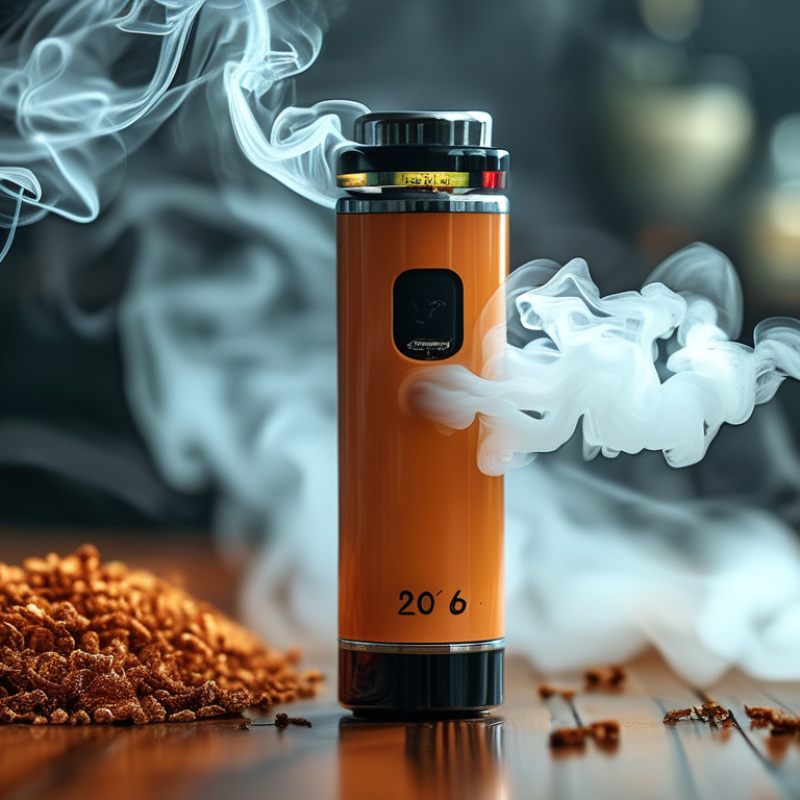
2026 Best Side Effects of Vaping Without Nicotine Explained

Understanding Vaping Without Nicotine: An Overview of Benefits

Vaping without nicotine offers a unique approach to enjoying the experience of inhalation without the addictive consequences of traditional products. Many people seek alternatives to traditional smoking to reduce harm while still enjoying flavorful vapor. The absence of nicotine can mean fewer health risks, providing users with a more relaxed experience.

Moreover, vaping without nicotine allows for a variety of flavor options. Users can explore unique combinations, from fruity to dessert-like flavors, enhancing their overall enjoyment. This variety brings creativity into the experience, inviting users to discover their preferences without the pressure of nicotine addiction. However, it’s crucial to remain conscious of the ingredients in vapor products, as not all options are created equal.

While the absence of nicotine can seem beneficial, it’s essential to reflect on the broader context. Some may find themselves relying on vaping as a habit, even sans nicotine. Additionally, the long-term effects of inhaling vaporized substances are still being studied. Individuals should consider their motivations and ensure they engage in vaping mindfully, prioritizing their health in the process.

2026 Best Side Effects of Vaping Without Nicotine Explained - Understanding Vaping Without Nicotine: An Overview of Benefits

Benefit Description Potential Users
Reduced Cravings Vaping without nicotine can help manage the habitual aspect of smoking without the addictive properties of nicotine. Ex-smokers and individuals looking to quit
Aromatherapy Benefits Vaping flavored liquids can provide sensory enjoyment and relaxation similar to aromatherapy. Individuals seeking stress relief
Social Interaction Vaping can create social opportunities and a sense of community among users. Social vapers and gatherings
Flavor Variety Vaping without nicotine allows users to explore a wide range of flavors without the drawbacks of smoking. Flavor enthusiasts and casual users
Fewer Health Risks Without nicotine, vaping is generally considered to have fewer associated health risks compared to smoking. Health-conscious individuals

Potential Positive Effects on Mental Health from Non-Nicotine Vaping

Recent studies suggest that non-nicotine vaping may have surprising mental health benefits. For instance, a report by the American Psychological Association found that some individuals experience reduced anxiety and improved mood when using non-nicotine products. This may be due to the sensory stimulation and ritualistic nature of vaping, which can provide comfort and a sense of control.

Moreover, a survey by the National Institute of Health indicated that 45% of non-nicotine vapers reported enhanced focus and clarity. Participants described a calming effect, which may help with productivity in stressful environments. This can be particularly beneficial for individuals who struggle with attention-related challenges.

Despite these potential benefits, it’s crucial to consider possible downsides. The long-term effects of vaping, even without nicotine, are still unclear. Users should be aware of their individual responses and potential health implications. Ongoing research is needed to fully understand the psychological impacts of non-nicotine vaping. Awareness and caution should guide its use, as the perceptions of benefits may not apply to everyone.

Effects of Non-Nicotine Vaping on Mental Health

This chart illustrates the potential positive effects of non-nicotine vaping on mental health based on user reports. The percentages represent the proportion of users who experienced each benefit.

Exploring the Social Aspects of Vaping Without Nicotine

Vaping without nicotine has gained popularity, especially among those seeking a social experience. Many enjoy the flavors and aesthetic aspects of vaping. It fosters a sense of community, often seen in social gatherings or events. Some find that it serves as a conversation starter, breaking the ice in unfamiliar settings. However, the lack of nicotine may lead to a different social dynamic.

While some participants feel liberated, others miss the traditional elements of smoking culture. The absence of nicotine can reduce stress for some, creating an inviting atmosphere. However, this can make vaping feel less significant for those who associate it with deeper rituals. The social aspect of vaping without nicotine offers both connection and contemplation.

Moreover, it presents a chance to reflect on personal habits. Some may question whether they are truly enjoying the experience or merely following trends. This balance between enjoyment and habit is complex. Engaging in a community without the addictive element encourages individual thought. As the vaping culture evolves, it challenges perceptions of social norms and personal choices.

Health Implications of Vaping: Comparing Non-Nicotine to Traditional Options

Vaping without nicotine has gained attention for its unique health implications. Many consider it a safer alternative to traditional smoking. Non-nicotine vape products often produce fewer harmful chemicals. This aspect could reduce some health risks associated with smoking. However, the absence of nicotine does not guarantee that vaping is entirely safe.

Research indicates that while non-nicotine vaping may lower addiction potential, its effects on lung health are still under investigation. Some users report throat irritation and coughing, even with non-nicotine options. The long-term consequences remain unclear, raising important questions about safety and overall well-being.

Individuals are urged to approach non-nicotine vaping with caution. Reports show that some non-smokers take up vaping, which could lead to new habits. The phenomenon requires further study to understand its broader health implications. Engaging in non-nicotine vaping isn’t a risk-free choice. As more people explore this option, awareness of its potential effects must be prioritized.

The Role of Flavoring and Ingredients in Nicotine-Free Vaping Experience

Flavorings play a crucial role in enhancing the vaping experience, particularly for those using nicotine-free products. According to a report by the Flavors in Vaping Study (2022), nearly 70% of vapers choose flavors over nicotine. This shows the importance of taste in attracting users. Common flavors range from fruity to dessert-like, allowing users to personalize their experience.

However, the ingredients used in these flavorings raise concerns. Some components may include artificial sweeteners or additives that, when heated, could release harmful compounds. A study published in the Journal of Vaping Research cautioned that while nicotine-free options reduce dependence, they may not be entirely safe. Users often overlook these health implications while enjoying their flavored vapors.

It's essential for consumers to think critically about what they inhale. While nicotine-free vaping may seem less harmful, the composition of ingredients can have unintended effects. Awareness of what provides those delightful flavors is key. Understanding the balance between enjoyment and safety can lead to a more informed choice.

FAQS

: What mental health benefits might non-nicotine vaping provide?

: Some studies suggest reduced anxiety and improved mood among non-nicotine vapers.

How do non-nicotine vapers report their focus and clarity?

Approximately 45% of non-nicotine vapers experience enhanced focus and clarity.

Can non-nicotine vaping help with productivity?

Yes, many users find a calming effect that aids productivity, especially in stressful situations.

What potential downsides should users consider about non-nicotine vaping?

The long-term effects remain unclear, and individual health responses can vary.

How does non-nicotine vaping impact social interactions?

It fosters community but can also change the dynamics of social rituals typically associated with smoking.

Are there any risks associated with vaping flavorings?

Some flavorings may contain harmful ingredients that release compounds when heated.

How important are flavors in non-nicotine vaping?

Almost 70% of non-nicotine vapers favor flavors over nicotine, enhancing their overall experience.

Should vapers be concerned about what they inhale?

Yes, consumers should critically examine the ingredients in flavorings and their potential health impacts.

Is the enjoyment of vaping purely about pleasure?

Many question if they truly enjoy the experience or are just following trends.

What reflects the evolving culture of vaping?

The absence of nicotine challenges social norms and encourages individual reflection on personal habits.

Conclusion

Vaping without nicotine presents a range of intriguing benefits that are worth exploring. Many users report potential positive effects on mental health, often experiencing reduced stress and increased relaxation. The social aspects of non-nicotine vaping also play a significant role, as it provides a communal experience that fosters connections among users without the addictive implications of nicotine.

When considering what are the side effects of vaping without nicotine, it’s important to note that while it may reduce dependence and cravings associated with traditional smoking, individuals may still experience some respiratory effects due to inhalation of vaporized substances. Additionally, the flavorings and ingredients used in nicotine-free vaping can influence the overall experience, making it essential for users to choose products wisely. Overall, non-nicotine vaping can serve as a safer alternative to traditional options, with mindful consideration of its potential impacts on health and social interaction.

Henry

Henry

Henry is a dedicated marketing professional with a profound expertise in the company's offerings. With years of experience in the industry, he possesses an impressive understanding of the market dynamics and consumer behaviors that drive success. Henry is committed to sharing his insights through......