Refilling a non-refillable vape might sound like a challenge. Many users wonder if it can be done. However, industry expert John Smith emphasizes, "Understanding the design is key to a successful refill." This highlights the importance of knowledge in tackling this issue.
Approaching the process requires a careful mindset. First, ensure your vape is not damaged. Inspect it for any leaks or cracks that could complicate the refill. While some vapes claim to be non-refillable, there are tricks to access the juice chamber. However, this method might void the warranty.
Proper tools are essential. You may need a syringe or a specific needle for accurate refilling. Patience is crucial; rushing can lead to spills or wasted liquid. Remember, not all methods will work for every device. Finding a reliable technique takes time and trial. Embracing this process could improve your vaping experience.
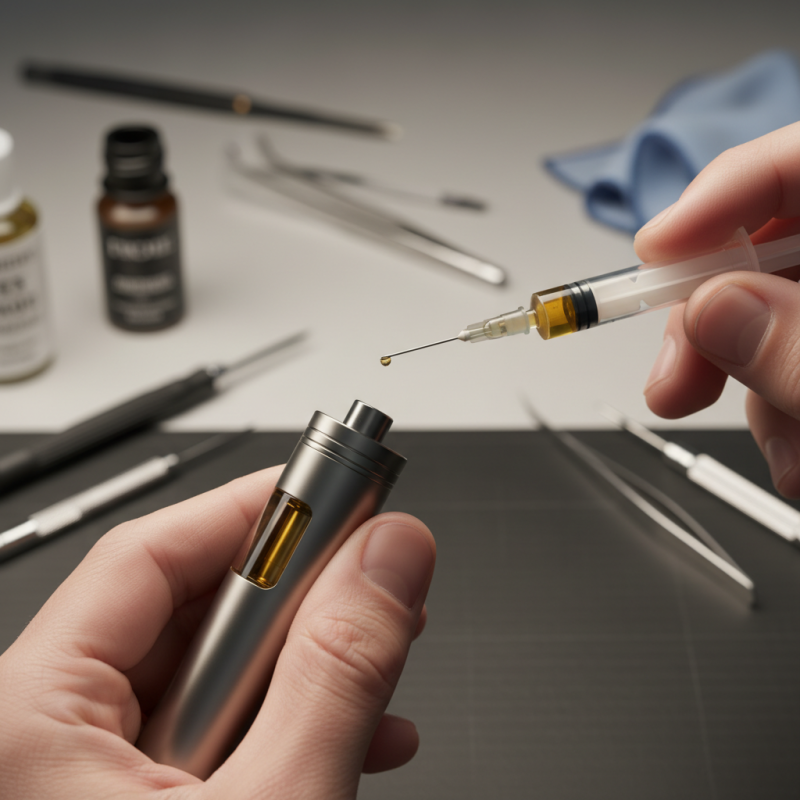
Non-refillable vapes have gained popularity due to their convenience and ease of use. These devices typically come pre-filled with e-liquid and are designed for single-use. They are ideal for users who want a hassle-free vaping experience without the need for refills or maintenance. However, their key features also reveal important limitations.
One major drawback is their environmental impact. Since non-refillable vapes are discarded after use, they contribute to electronic waste. This raises concerns about sustainability. Users may feel guilty about the amount of waste generated. Moreover, the flavor choices can be quite limited. While some users appreciate the simplicity, others may miss experimenting with different flavors.
Understanding these limitations can drive better choices. Some might opt for reusable systems to minimize waste. Evaluating personal preferences becomes essential. Non-refillable vapes may suit some, but they may not fulfill everyone's needs. A reflection on individual vaping habits can lead to a more informed decision.
Refilling a non-refillable vape can be tricky. It’s important to understand the risks involved. Many devices are not designed for refilling, and attempting to do so can lead to leaks or malfunctions. Always proceed with caution and be aware of your device's construction.
If you choose to try refilling, start by carefully disassembling your vape. Use a small tool to pry off any seals or caps without damaging the device. Be gentle; excessive force can break the parts. Consider using a dropper for precise liquid application. This method minimizes mess and reduces the chance of overfilling.
Take note: the material your vape is made from can influence the refilling process. Some materials may react with certain e-liquids, causing damage or altering flavor. It's a learning experience, so expect some trial and error. Document what works and what doesn’t for future attempts. Always prioritize safety and quality.
This chart illustrates the user experience ratings on various aspects of refillable and non-refillable vapes. A higher rating indicates a more favorable experience, showing a clear preference for customization and flavor variety in refillable options over non-refillable ones.
Refilling a non-refillable vape requires specific tools and supplies. First, you will need a pair of precision tweezers. These are essential for handling small components. Additionally, a syringe can help precisely measure and fill e-liquid into the device. Always choose a clean syringe to avoid contamination.
Furthermore, having a small funnel can simplify the refilling process. It directs the e-liquid into the tank without spilling. A paper towel or cloth is also handy. It can catch any accidental leaks. Depending on the vape, you might need a compatible replacement coil. Ensuring it fits properly is crucial for the vape's functionality.
Some might find the process intimidating. That's normal and part of the learning curve. Mistakes can happen, so patience is key. Make sure your workspace is clean and organized. This approach minimizes the risk of errors. Lastly, consider researching guides or forums for tips from experienced users. Their insights can be valuable as you navigate the refilling process.
Refilling a non-refillable vape cartridge can be tricky. Many users feel frustrated and confused. It's important to understand the risks involved. If you decide to proceed, choose your tools wisely. A syringe or needle is essential for this task. Always work in a clean environment to avoid contamination.
Begin by removing the mouthpiece gently. This should expose the filling hole. Insert the syringe into this hole carefully. Aim for accuracy to prevent spills. Slowly inject the vape juice, avoiding overfilling. A little practice may be needed. If you spill, it can get messy. Clean up any excess liquid immediately.
After refilling, reattach the mouthpiece securely. Wait a few minutes before using the cartridge. This allows the juice to soak in properly. Taste and vapor production may vary initially. Keep a close eye on your device for leaks. Recognizing potential issues early can save you headaches later. Refilling may not yield perfect results every time. It's a skill that requires patience and practice.
Refilling a non-refillable vape often leads to frustrating mistakes. Many users think they can easily bypass this design limitation. However, not all devices are made for refilling. Ignoring this can result in damage or leakage. According to recent industry reports, approximately 30% of vapers using non-refillable devices face issues, primarily due to improper refilling attempts.
A common error is using incompatible liquids. With various flavors and bases available, selecting the wrong vape juice can affect performance. Some vapes are designed for specific liquid types. Using the wrong one can lead to a burnt coil or a poor vaping experience. Additionally, overfilling the tank can create pressure, causing leaks. Data from vaping studies show a significant correlation between improper filling techniques and device malfunctions.
Understanding the basics is crucial. Some users rush the process, thinking they know better. It's essential to check the device specifications and understand its design. Taking your time minimizes risks and promotes a better vaping experience. Remember, not all mistakes are avoidable, but learning from them is key.
| Mistake | Description | Consequence | Solution |
|---|---|---|---|
| Overfilling | Adding too much liquid into the vape. | Leakage and decreased performance. | Fill to the recommended level only. |
| Using Incorrect Liquid | Using a liquid that is not suitable for non-refillable vapes. | Damage to the device. | Always check compatibility before refilling. |
| Ignoring Cleaning | Not cleaning the device before refilling. | Poor taste and buildup of residue. | Clean the device thoroughly before refilling. |
| Not Waiting | Vaping immediately after refilling. | Burnt taste and risk of dry hits. | Wait a few minutes after refilling. |
| Not Checking Seals | Failing to check seals and connections. | Leakage and malfunction. | Inspect seals each time before using. |
: You will need precision tweezers, a clean syringe, and possibly a small funnel.
Use a funnel to direct the e-liquid into the tank smoothly.
Clean up any excess liquid immediately to avoid messes.
Yes, many users find the process tricky and may feel intimidated.
Keep your workspace clean and organized. This reduces the likelihood of mistakes.
Overfilling can lead to spills and messy cleanup. Aim for accuracy while refilling.
Yes, wait a few minutes to allow the juice to soak in properly.
Initial taste and vapor may vary. Monitor your device for leaks and adjustments needed.
Research guides or forums for tips from experienced users. Their insights can be helpful.
Yes, mistakes are common. It's a skill that takes time and patience to develop.
In the quest to understand how to refill a non-refillable vape, it's essential to first grasp its key features and limitations. Non-refillable vapes are designed for single-use, posing challenges for those looking to extend their usage. However, safe methods do exist for attempting to refill these devices, provided users are cautious and well-prepared.
To successfully refill a non-refillable vape, specific tools and supplies are necessary, alongside a step-by-step process that guides users through the procedure. This includes identifying the correct refilling technique while being mindful of common mistakes that could lead to malfunctions or leaks. By following these guidelines, users can make informed decisions about their vaping experience, potentially enjoying their devices for longer durations.